Topics & News
2026.09.16 EVENT REPORT / Tales of the Cocktail® 2026
New Orleans Offers Clear Signs That Shochu Is Gaining Ground
Tales of the Cocktail® 2026, one of the world’s largest cocktail and spirits industry events, was held from July 19 to 24, 2026, in New Orleans, Louisiana, a city known as the birthplace of the cocktail. As it did last year, Sanwa Shurui staged a pop-up event during the conference. As top bartenders from around the world explored the possibilities of honkaku shochu, there were clear signs that understanding is steadily growing beyond its status as simply an unusual Japanese distilled spirit to encompass the meticulous craftsmanship behind it and the umami and depth created by koji. Here is our report from Tales of the Cocktail® 2026.
Text: Reiko Suga / Photography: Gonzalo Daniel Loayza / Composition: Contentsbrain / English Translation: LIBER
Leading Figures from the Global Bar Scene Come Together for a Celebration of Cocktails in New Orleans
Now in its 24th year, Tales of the Cocktail® (TOTC) is an international event that brings together leading bartenders, spirits producers, hospitality professionals, cocktail enthusiasts, and media representatives from around the world to share the latest industry developments through educational seminars, tastings, new product launches, networking opportunities, awards, and more.
As it was last year, the main venue was The Ritz-Carlton, New Orleans, located on Canal Street at the gateway to the French Quarter, an area in the heart of the city known for its historic streets, bars, and restaurants.
Under the 2026 theme of “Spark,” a diverse program focused on new ideas, encounters, and collaborations that could propel the industry forward. Innovative products and cocktails were showcased, while numerous seminars and other programs were also held on subjects such as fitness and mental health. One of TOTC’s distinguishing features is its comprehensive scope, encompassing not only the latest trends in spirits and cocktails but also the well-being and working conditions of people in the hospitality industry.
Despite the intense midsummer heat, New Orleans once again attracted large numbers of attendees from around the world, with attendance surpassing the previous year’s figure. Over the six-day festival, 113 venues across the city hosted more than 400 events and brand activations, as well as 60 educational seminars. The entire city came alive as the stage for this vibrant celebration of cocktails.
iichiko Pop-Up at the Acclaimed Jewel of the South
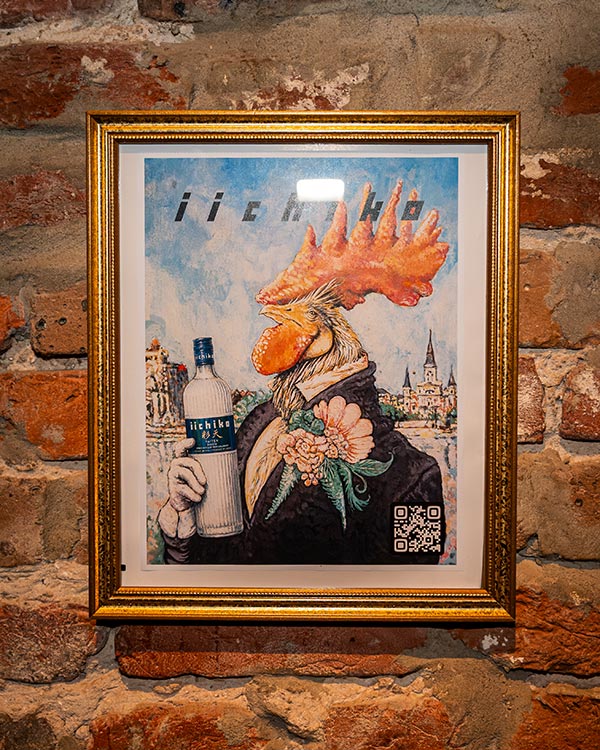
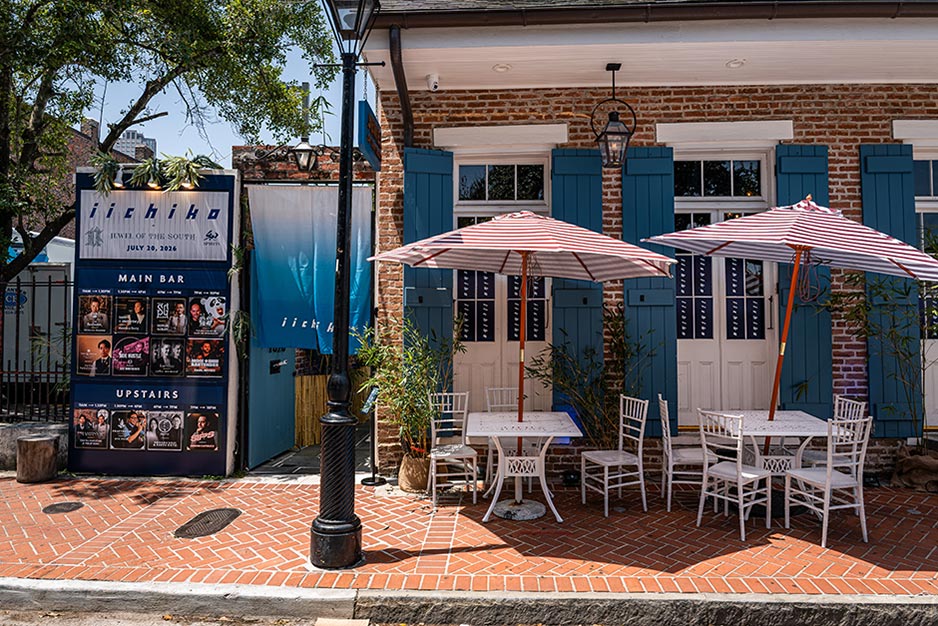
On July 20, during TOTC, Sanwa Shurui hosted an iichiko pop-up event. This year’s venue was Jewel of the South, a renowned restaurant and bar in the French Quarter housed in a historic brick Creole cottage⋆ built in 1835 and since restored. Highly acclaimed on the global bar scene, Jewel of the South won Outstanding Bar at the 2024 James Beard Awards and Best U.S. Bar Team at the 2024 Spirited Awards®. It also ranked No. 6 on North America’s 50 Best Bars. Most recently, in 2026, it again ranked No. 6 on North America’s 50 Best Bars and was named The Best Bar in South USA for the fourth consecutive year.
⋆ Creole cottage: In this context, “Creole” refers to people born in colonial-era Louisiana and the culture that developed there. The Creole cottage is a residential style rooted in this regional culture. Typically one or one-and-a-half stories high, these cottages feature pitched roofs and compact layouts in which rooms are connected without hallways. Many also have a courtyard at the rear.
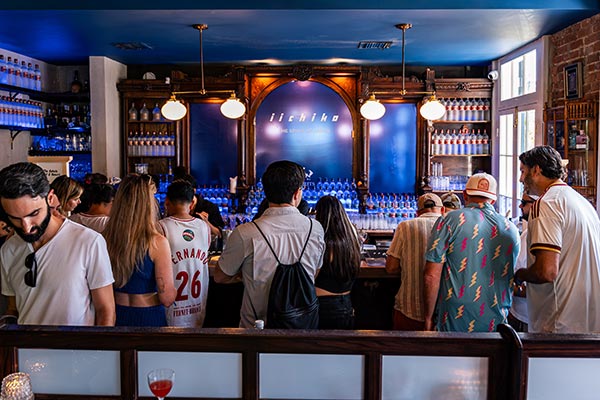
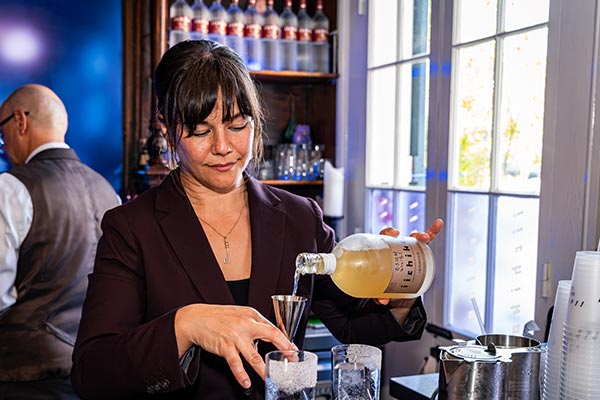
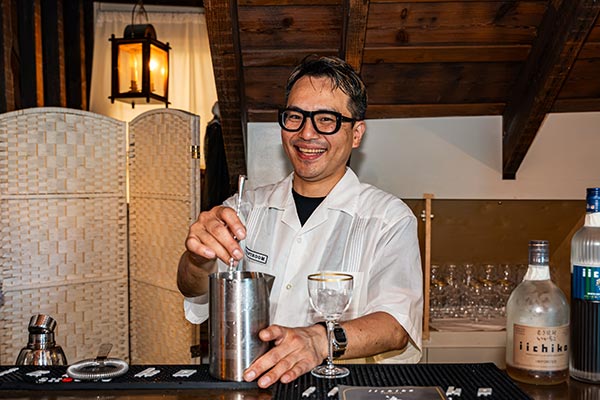
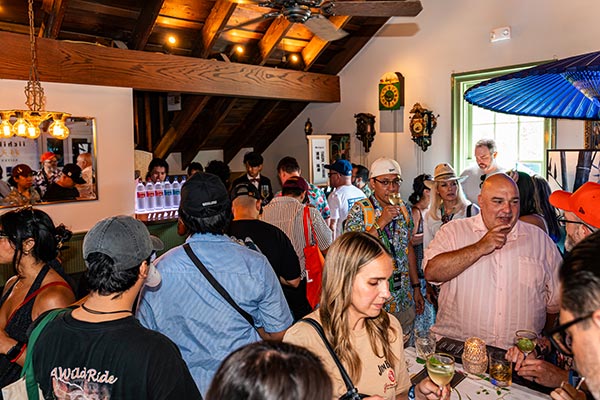
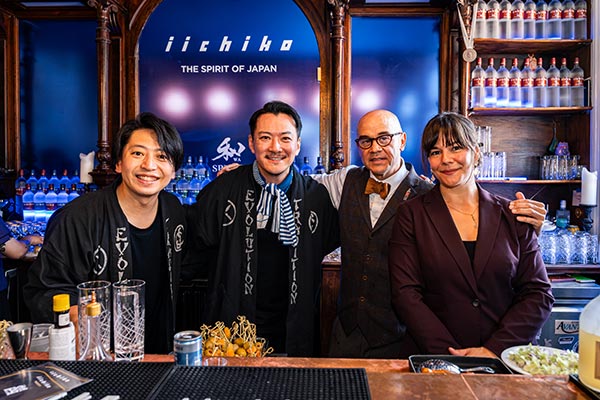
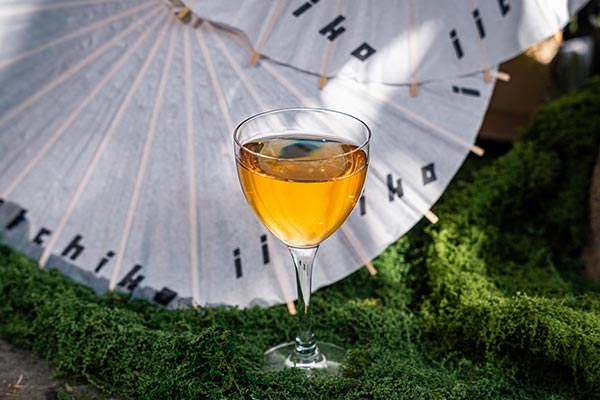
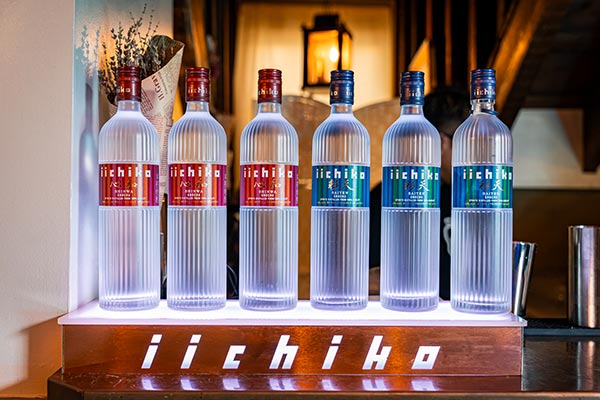
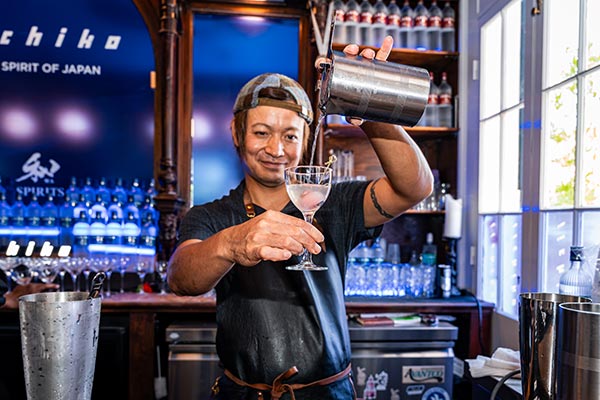
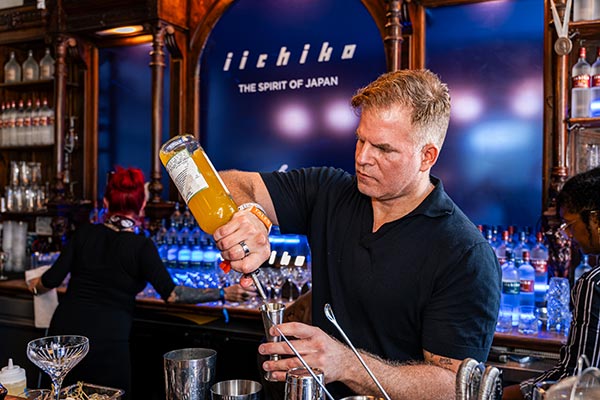
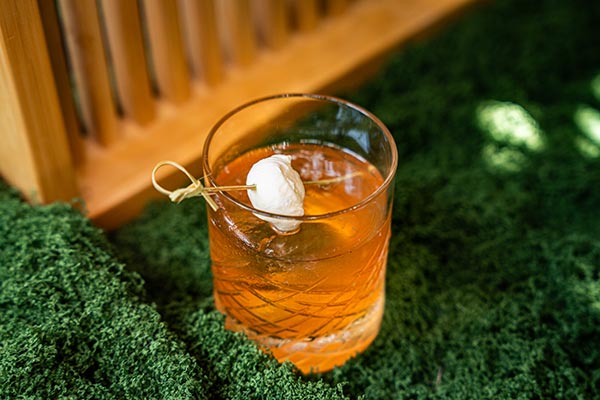
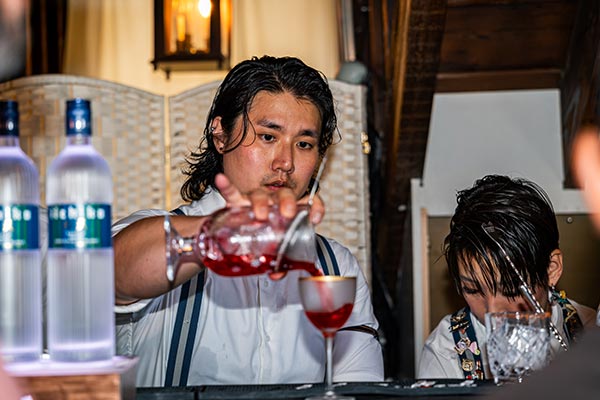
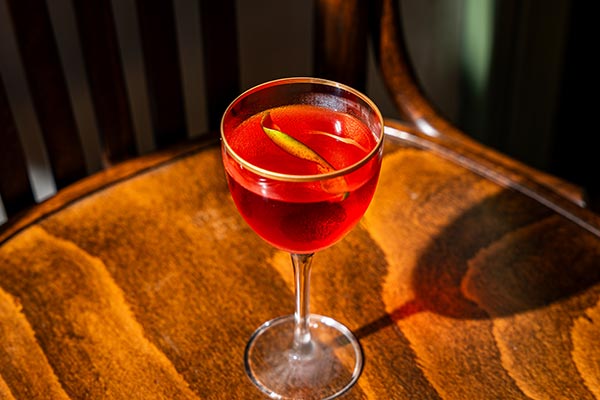
At this celebrated venue, guest bartenders working at the forefront of the global bar scene once again came together. Using iichiko Saiten, iichiko Silhouette, and iichiko Shinwa, they presented original cocktails infused with their individual creativity and expertise.
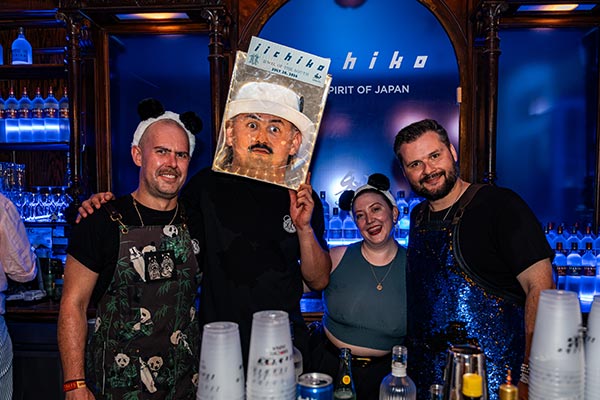
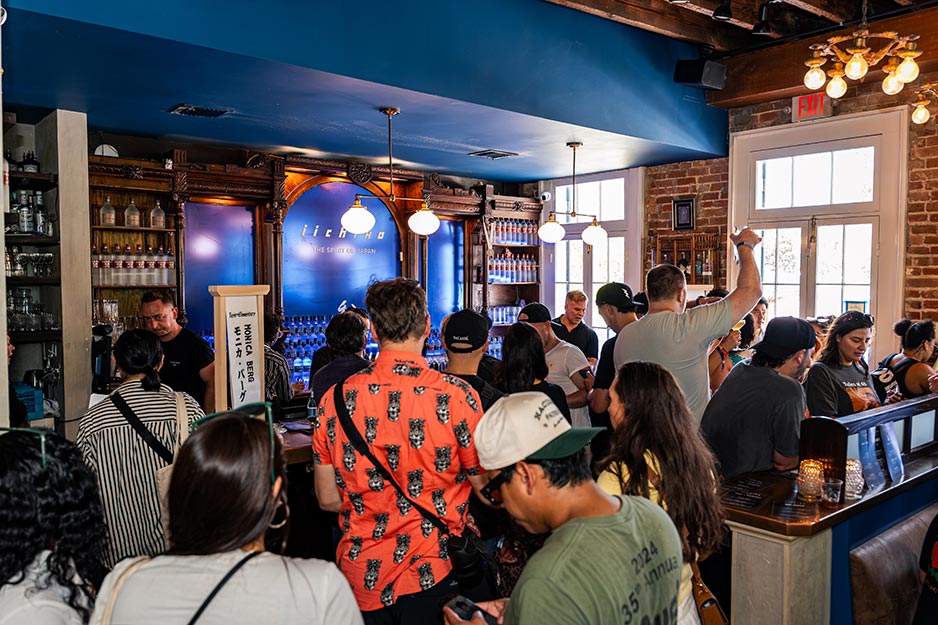
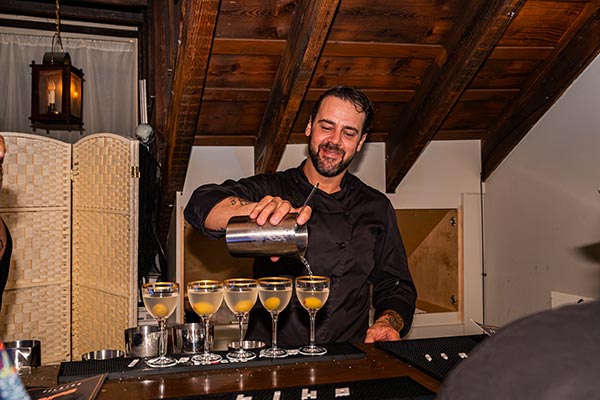
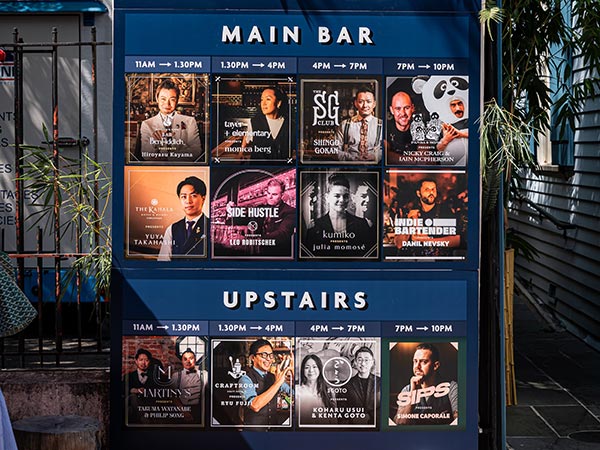
Taking their turns behind the counter was a distinctive group of bartenders with diverse backgrounds and styles. Four shifts were held, each featuring three teams, for a total of 12 guest teams. Large crowds came to experience the shochu cocktails they created with iichiko, each showcasing the bartenders’ individual creativity and expertise, and the venue remained lively throughout the event.
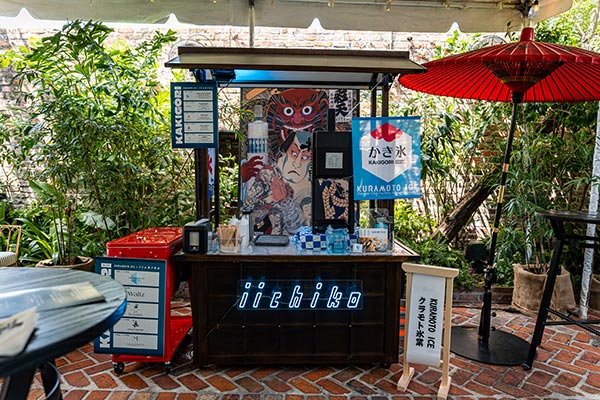
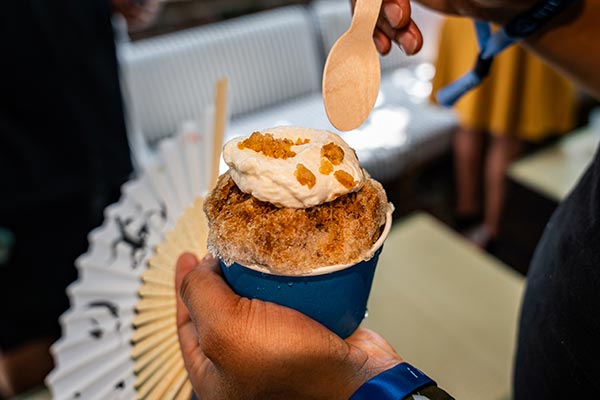
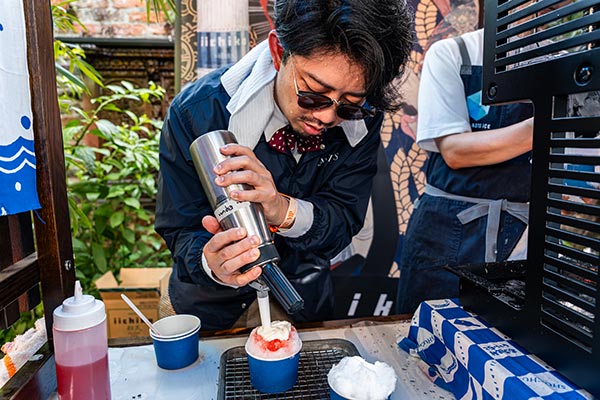
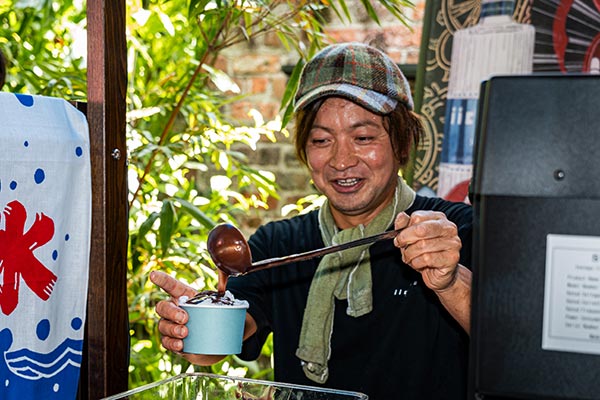
Shaved ice was also served in the courtyard at Jewel of the South. The ice came from Kuramoto Ice, a Kanazawa-based company with a history spanning more than a century. Its crystal-clear ice was flown to the United States and has earned an excellent reputation, with more than 200 high-end bars, restaurants, and other establishments across the country now using it.
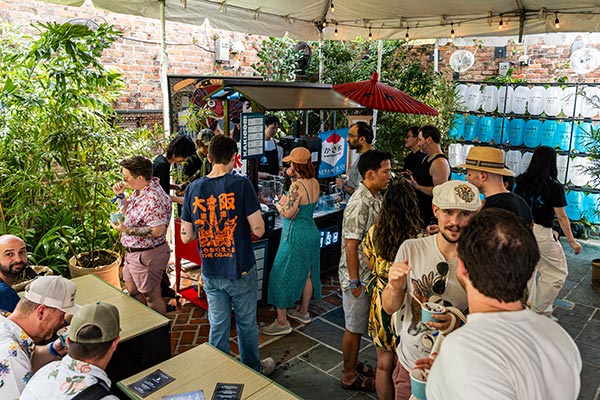
Four bartenders—from Waltz in London, Bar BenFiddich in Tokyo, Craftroom in Osaka, and Martiny’s in New York—prepared the shaved ice. Visitors were served four distinctive varieties, each topped with an iichiko-infused syrup devised by one of the bartenders. With temperatures exceeding 35°C that day, the icy treats offered a welcome respite from the intense heat.
Guest Bartenders at the iichiko Pop-Up at Jewel of the South
Shift 1
Bar BenFiddich / Tokyo
Hiroyasu Kayama
The Kahala Hotel & Resort Yokohama / Yokohama
Yuya Takahashi
Martiny’s / New York
Takuma Watanabe, Philip Song
Shift 2
Tayēr + Elementary / London
Monica Berg
Side Hustle / London
Leo Robitschek
Craftroom / Osaka
Ryu Fujii
Shift 3
The SG Club / Tokyo
Shingo Gokan
kumiko / Chicago
Julia Momosé
Bar Goto / New York
Kenta Goto, Koharu Usui
Shift 4
Panda & Sons / Edinburgh
Nicky Craig, Iain McPherson
Founder of Indie Bartender / Barcelona
Danil Nevsky
SIPS / Barcelona
Simone Caporale
Top Bartenders Showcase the Distinctive Characters of Three Honkaku Shochu
Three honkaku shochu expressions, each with its own distinctive character, were used as the bases for the cocktails: iichiko Saiten and iichiko Shinwa, two 43% ABV barley shochu expressions with contrasting profiles, and the mellow-tasting iichiko Silhouette, with an ABV of 25%. The bartenders carefully assessed the flavors and characteristics of each expression as they experimented with a diverse range of ingredients.
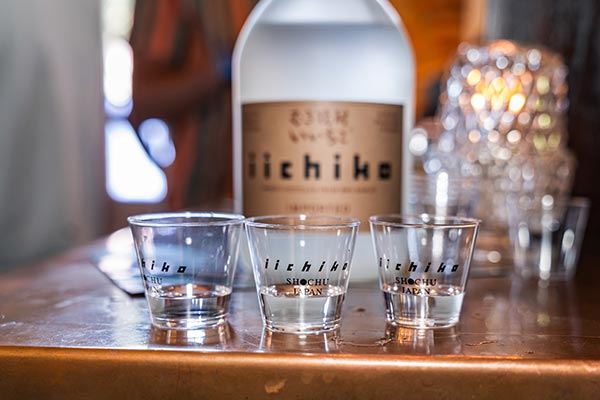
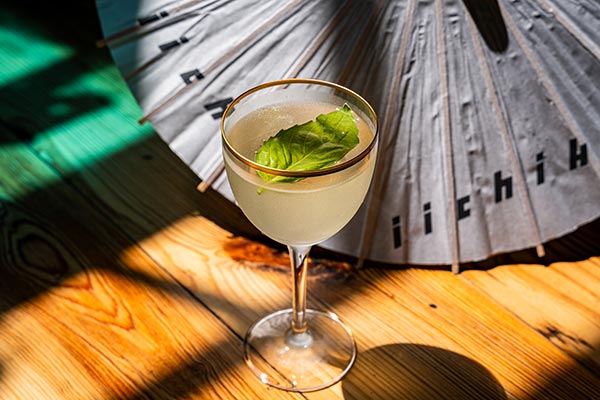
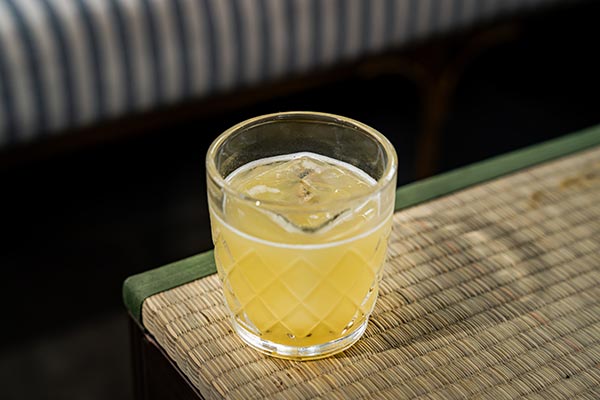
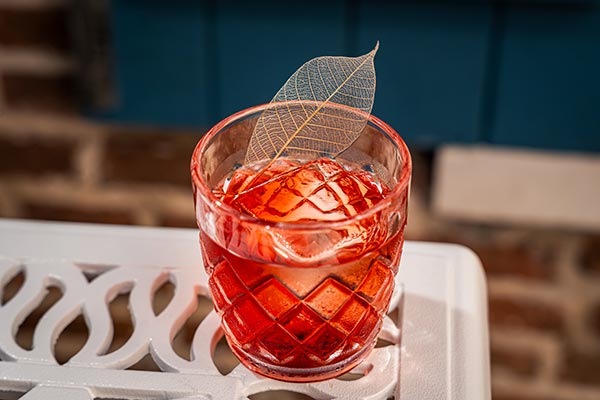
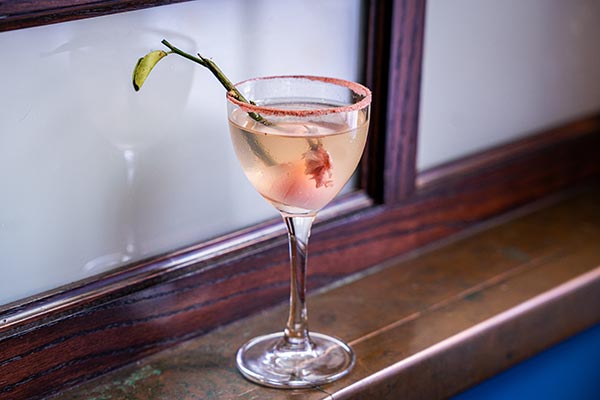
Among the highlights were cocktails featuring Japanese ingredients that enhanced the koji-derived umami and depth of the shochu, as well as refreshing creations made with Japanese teas such as green tea and barley tea, offering welcome refreshment in the midsummer heat.
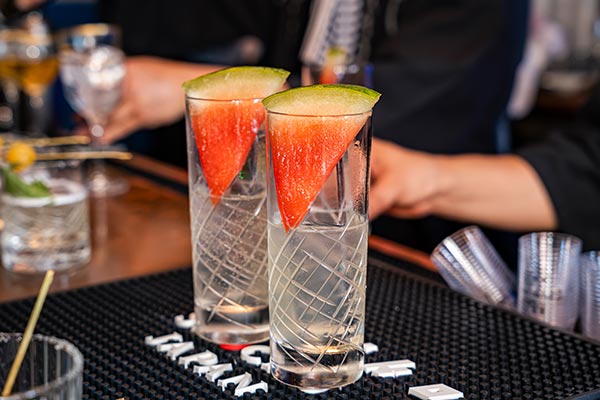
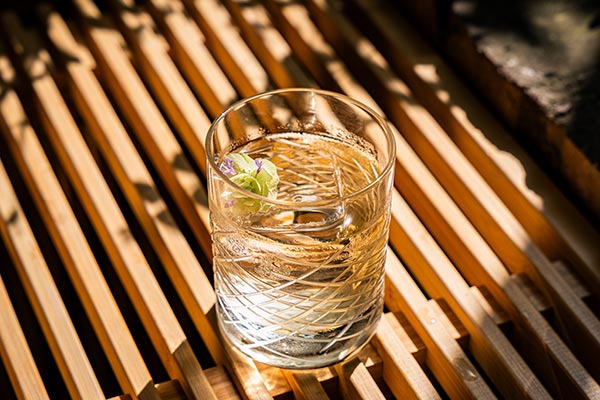
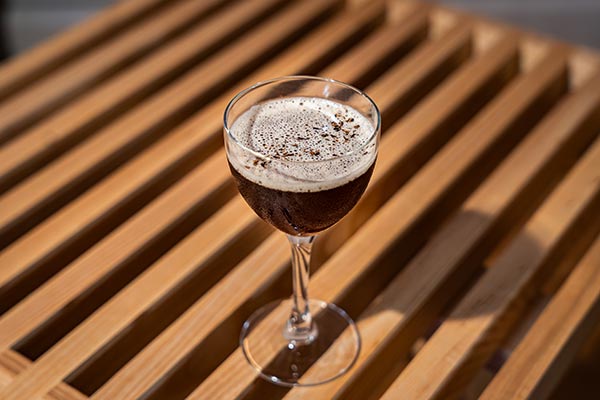
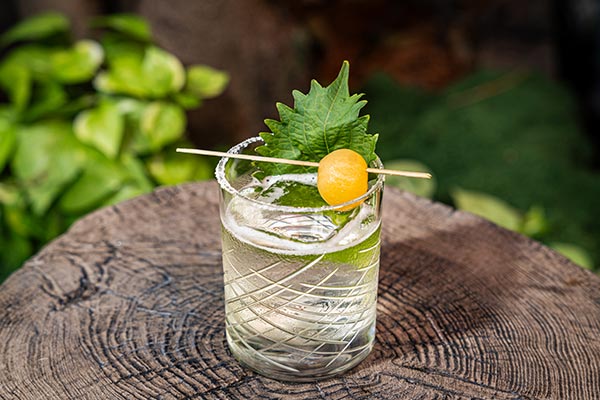
Some cocktails incorporated summer ingredients such as watermelon and tomato and drew inspiration from the food stalls at Japanese summer festivals. The bartenders’ rich creativity shone through as they captured not only combinations of ingredients but also scenes and memories in their drinks. (For more, see the Photo Gallery at the end of this article.)
“Savory” was a word used by several of the bartenders. This approach involves more than simply reducing sweetness: it harnesses the umami and grain-derived depth of honkaku shochu to create flavors designed with food pairing in mind. By precisely layering multiple ingredients to bring out the distinctive character of honkaku shochu, the bartenders crafted their cocktails much as a chef constructs a dish, producing complex yet harmonious and nuanced flavors.
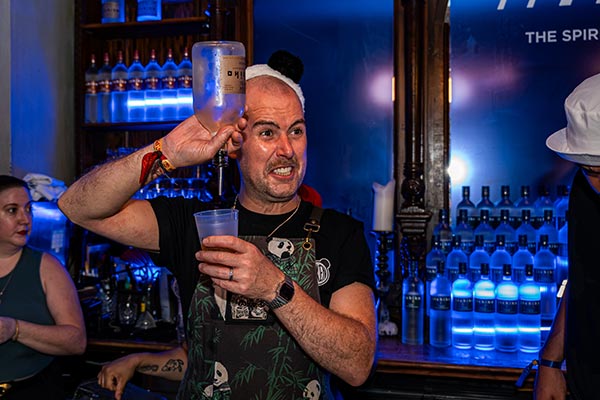
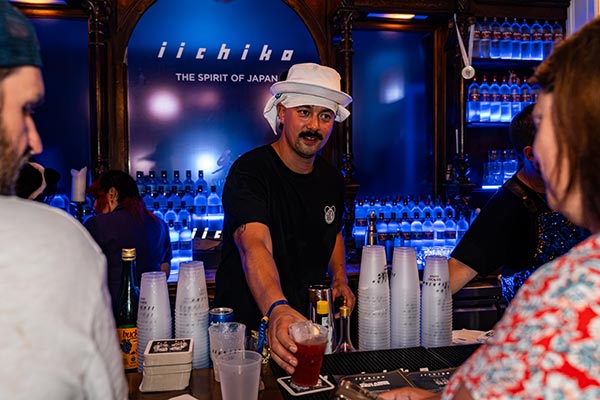
How Bartenders Making Their iichiko Debut Perceived Honkaku Shochu
How did these bartenders interpret the distinctive character of honkaku shochu, and what ideas inspired their cocktails? Here, we explore some of their thinking in their own words.
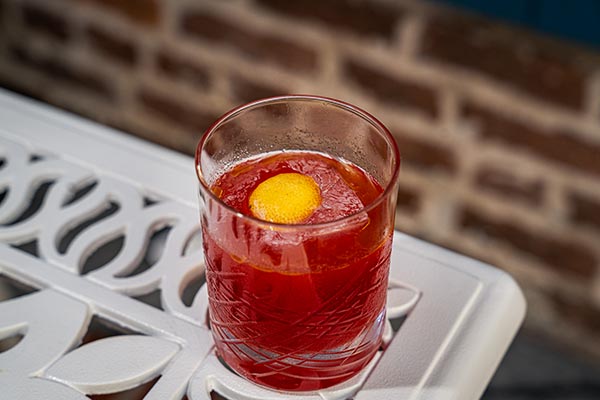
Yuya Takahashi of The Kahala Hotel & Resort Yokohama, winner of the iichiko IRODORI Cocktail Competition 2025 JAPAN FINAL, was attending TOTC for the first time. His iichiko Saiten-based cocktail Oedo Fashioned, which won the Grand Prize at the competition, also proved popular with visitors at the pop-up.
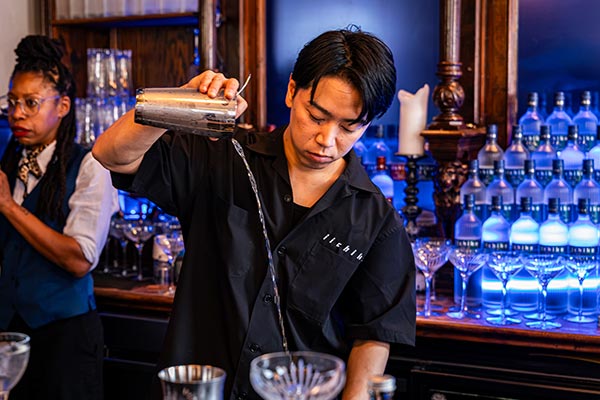
“The first thing the judges praised at the competition was the name. It combines ‘Oedo,’ a familiar term in Japan, with the Old Fashioned, a classic cocktail widely known both in Japan and overseas, so I think the name made people want to try it. I wanted to create a cocktail using soy sauce and mirin, which have long supported Edo’s food culture. At first glance, they may seem like unusual cocktail ingredients, but soy sauce and mirin are also used in the dishes and snacks people enjoy with cocktails. I wanted to develop those flavors into a colorful drink and share it with a wider audience. The result is a savory cocktail.” (Yuya Takahashi)
Yuya Takahashi also presented Tea Room, a cocktail made with sencha, herbs, and sandalwood. Evoking the aroma of tatami in a teahouse and the tranquility of the space, the cocktail expresses not only flavors but also an entire scene.
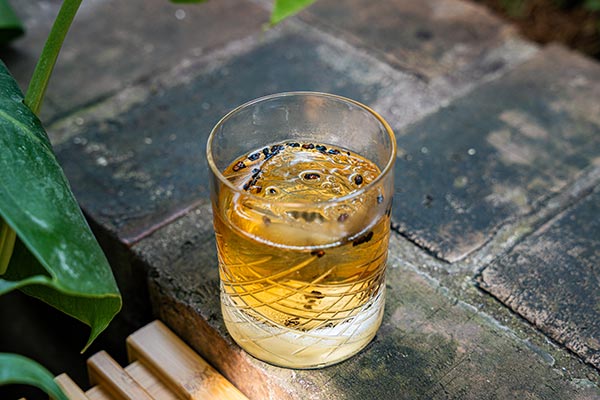
Monica Berg of London’s Tayēr + Elementary was also making her first appearance at an iichiko pop-up. Her memorable cocktails combined honkaku shochu with Japanese ingredients such as yuzu, matcha, and osmanthus. We asked for her impressions of working with honkaku shochu.
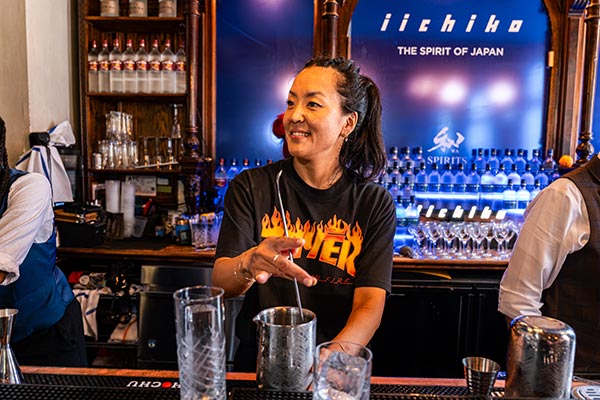
“iichiko Saiten has an exceptionally expressive citrus profile and a clean, dry finish, making it incredibly versatile in cocktails. It can function almost like a bridge between a spirit and a seasoning, bringing lift and precision without dominating the drink. iichiko Shinwa, meanwhile, has a wonderful texture and depth. Its flavor is restrained yet rich, and it integrates beautifully into spirit-forward cocktails.
“iichiko Silhouette possesses a remarkable elegance. Its soft, delicate character makes it ideal for long drinks where subtle nuances matter. It blends seamlessly with other ingredients without losing its presence, adding texture and gentle fruitiness while also enhancing light botanical and floral aromas.”
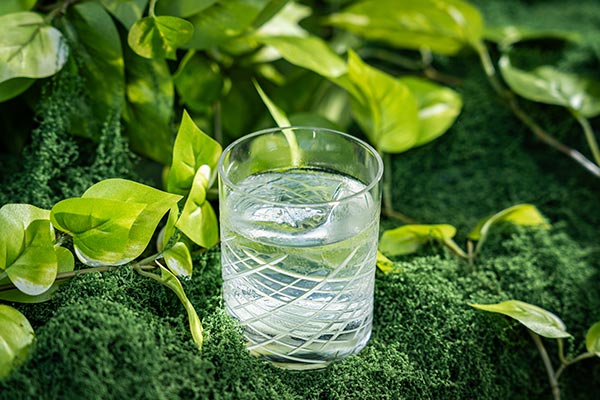
Cocktails by Bartenders Experienced in Using Honkaku Shochu
What cocktails did bartenders who have been using honkaku shochu in cocktails more frequently create at this year’s event?
Shingo Gokan, founder of SG Group, returned to the iichiko pop-up after participating last year. Sip & Guzzle in New York, which Gokan leads, ranked No. 39 in The World’s 50 Best Bars 2025 and took the No. 1 spot in North America’s 50 Best Bars in 2026. He operates bars around the world, including The SG Club in Tokyo. Gokan described the cocktails he served at the event as follows.
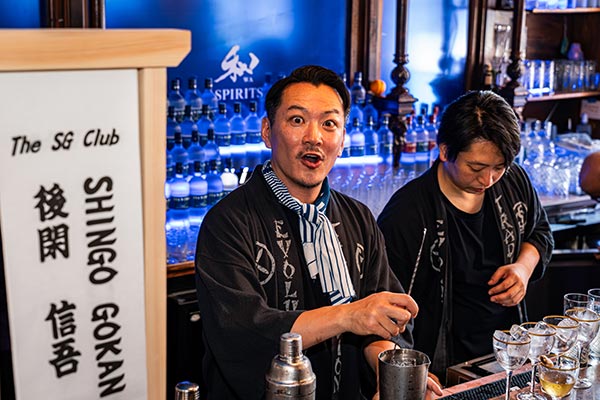
“Given the heat, the watermelon highball Suikawari ran out almost immediately. I used iichiko Saiten in a savory cocktail inspired by yakitori, expressed through yuzu kosho, a Japanese citrus-and-chili condiment, and the smoky aroma of binchotan, a traditional Japanese oak charcoal. Hiyashi Tomato Tree, made with iichiko Shinwa, was also popular. This time, we wore happi coats to evoke the atmosphere of a Japanese summer festival and welcomed guests with cocktails inspired by watermelon splitting, yakitori, and chilled tomatoes.”
Kenta Goto, owner of Bar Goto in New York, has also participated in previous iichiko pop-ups. He described the current situation surrounding honkaku shochu in the United States as follows.
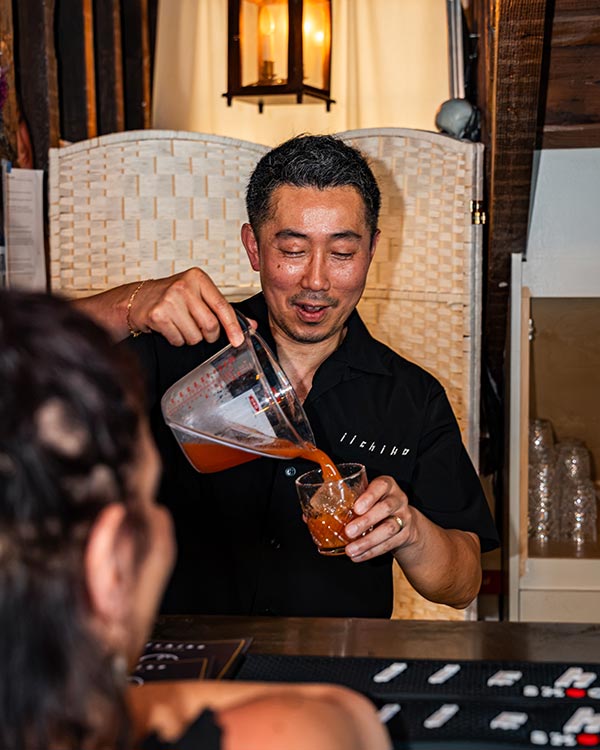
“Awareness of honkaku shochu is certainly growing, particularly in major cities. Understanding of it is spreading among industry professionals, but awareness among the general public outside major cities is still limited. That is precisely why I believe it is important to continue initiatives like this.”
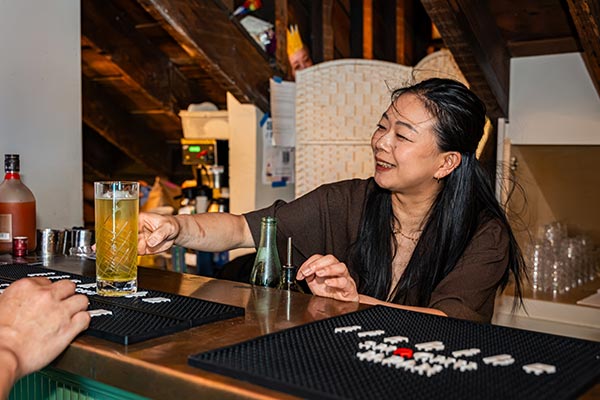
Kenta Goto’s Umami Mary attracted many repeat orders, suggesting that honkaku shochu cocktails are steadily gaining fans as drinks people want to enjoy again. Visitors could also be heard commenting that the cocktails were approachable, even for those trying honkaku shochu for the first time, and allowed them to appreciate the differences in flavor between barley shochu expressions.
Danil Nevsky, founder of the bar industry information platform Indie Bartender, is a Barcelona-based bartender, consultant, and educator. Returning to the iichiko pop-up for the first time in two years, he shared his impressions of working with the three honkaku shochu expressions.
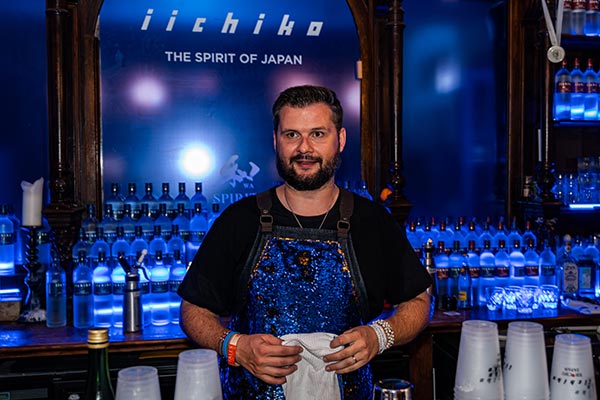
“I created three cocktails with different flavor profiles so that guests with a variety of preferences could enjoy them. iichiko Silhouette, iichiko Saiten, and iichiko Shinwa each have a distinct flavor, so I drew inspiration from their individual characteristics and selected ingredients that would pair well with them. There are still relatively few opportunities to use honkaku shochu in cocktails in Europe, but I find it very well suited to cocktail making.”
Clear Signs That Shochu Is Taking Root in the Global Bar Scene
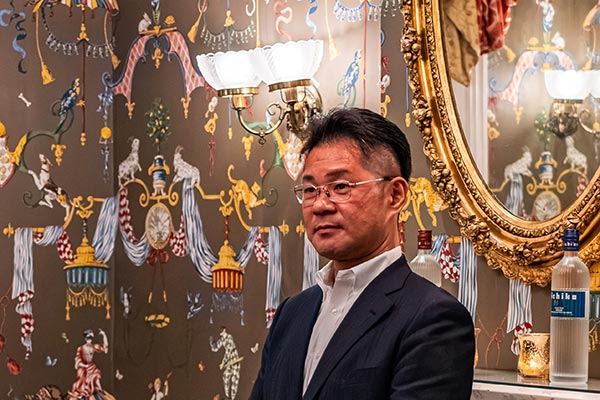
Kazunori Nishi, president and CEO of Sanwa Shurui, commented on the company’s participation in the event:
“Developed within Japan’s koji culture, honkaku shochu occupies a unique place among the world’s spirits. By having innovative products such as iichiko Saiten used at discerning bars, I feel that understanding and appreciation of honkaku shochu’s distinctive appeal are steadily growing. Data also indicates that honkaku shochu is gaining a stronger presence worldwide, with SHOCHU ranking No. 9 this year in the spirits ranking featured in the Drinks Report by UK drinks industry magazine Drinks International, and we are seeing encouraging signs of progress.”
Awareness of honkaku shochu still varies by region and across different parts of the industry. Nevertheless, the pop-up offered a glimpse of bartenders seeking to understand it as more than simply an unusual Japanese distilled spirit—exploring its umami, the depth derived from koji and barley, and its affinity with food—as well as visitors clearly savoring the resulting cocktails.
The bartenders taking part in the guest shifts varied in their familiarity with and experience of using honkaku shochu. Some embraced it as a fresh cocktail base with which to create new expressions. Others, already accustomed to working with honkaku shochu, presented drinks that explored its possibilities in greater depth. Through the accumulation of such encounters and experimentation, there were clear signs that shochu is steadily taking root in the global bar scene.
Takuma Watanabe of Martiny’s Named U.S. Bartender of the Year at the Spirited Awards®
Once again, the Spirited Awards® ceremony marked the climax of TOTC. Regarded as one of the industry’s most prestigious honors, the Spirited Awards® were presented at the Fillmore New Orleans, as they were last year.
FURA in Singapore received the World’s Best Bar presented by Tales of the Cocktail Foundation award, which recognizes the world’s leading bar based on a comprehensive assessment of its drinks, food, service, and influence on the industry. Takuma Watanabe, who leads Martiny’s, L’Americana, and Midnight Blue in New York, won U.S. Bartender of the Year presented by Brown-Forman, honoring an outstanding bartender working in the United States. Watanabe has participated in numerous iichiko events and is among the bartenders who have created and presented cocktails showcasing the qualities of honkaku shochu.
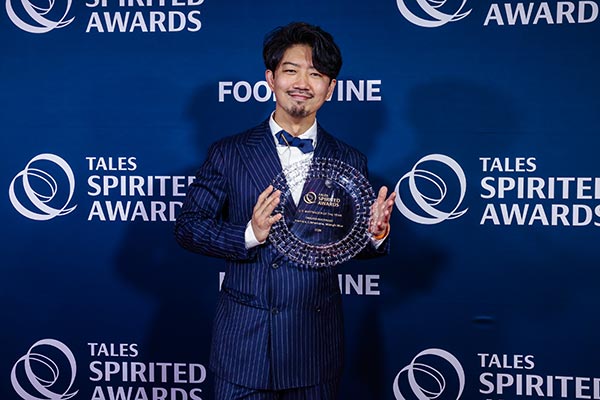
Photo Credit: Caitlyn Ridenour / Tales of the Cocktail Foundation
Photo Gallery