- Kenta Goto
- Owner-bartender at Bar Goto and Bar Goto Niban Born in Chiba City, Chiba Prefecture. After graduating from the Fashion Institute of Technology (FIT) in New York, embarked on a bartending career. Hired at popular bar Pegu Club (closed in 2020) in January 2008. Recognized in July 2011 as American Bartender of the Year in the Spirited Awards® at Tales of the Cocktail, the only Japanese person as of now to receive the award. Opened Bar Goto in New York’s Lower East Side in July 2015, followed by Bar Goto Niban in Brooklyn in January 2020. Used to help out at his family’s okonomiyaki restaurant in Chiba. The dish is now a popular item on Bar Goto's standard menu.
with Bartender
Exploring the journeys and the thoughts that shape globally active bartenders behind the bar.
2026.06.01
Kenta Goto
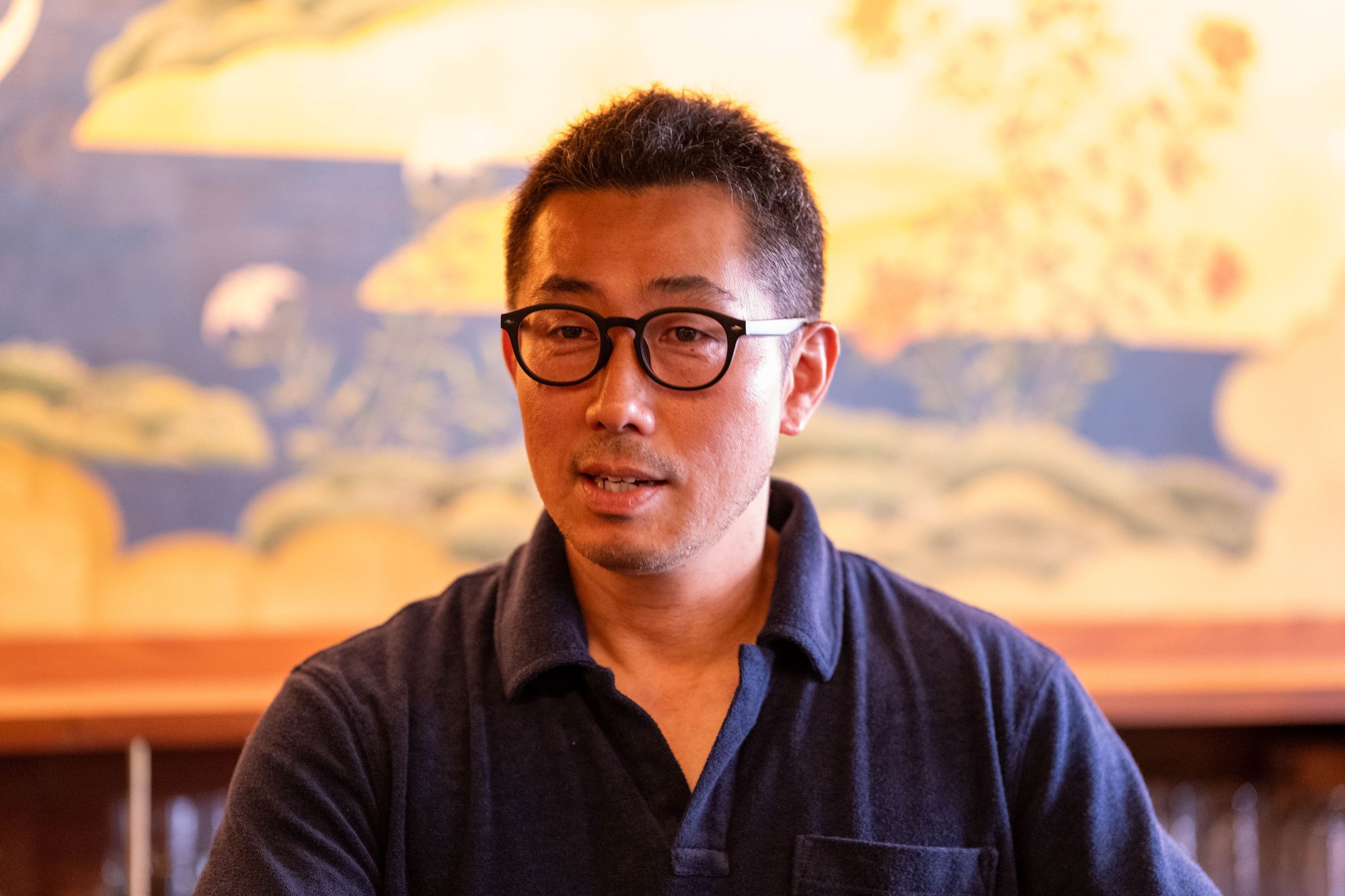
Bartender Life in New York, One of the World’s Toughest Markets
Kenta Goto is the owner-bartender at both Bar Goto and Bar Goto Niban. Back in 2011, when he was the head bartender at the renowned Pegu Club, he won the American Bartender of the Year award in the Spirited Awards⋆1 at Tales of the Cocktail 2011. He is the only Japanese person to have received the prize. We asked Mr. Goto, a key figure of Japanese bartenders working in the U.S., about his bar and his path to a lasting place at the top of his profession.
Text: Reiko Suga / Photography: Koichi Mitsui / Composition: Contentsbrain /
English Translation: LIBER
Interview Location: Bar Goto Niban (474 Bergen St, Brooklyn, NY 11217, USA)
Fulfillment from a part-time gig led to a decision to make tending bar into a living
――Tell us how you got started as a bartender.
I came to America in 1997. I went to school at the Fashion Institute of Technology (FIT) in New York and finished a two-year program there, where I studied as a patterner⋆1. After graduating, I had a few job leads in fashion, but I didn't think I could live on the wages they were offering. I also didn't want to just go back to Japan, so I jumped into the bar business to make ends meet.
⋆1 patterner: Refers to someone who creates patterns for fashion designers to follow.Some of the only bars in New York specializing in cocktails at the time were Angel's Share and Milk & Honey. Most of the work was in restaurant bars and most bartenders worked part-time, so I remember that few of them did it as their main job.
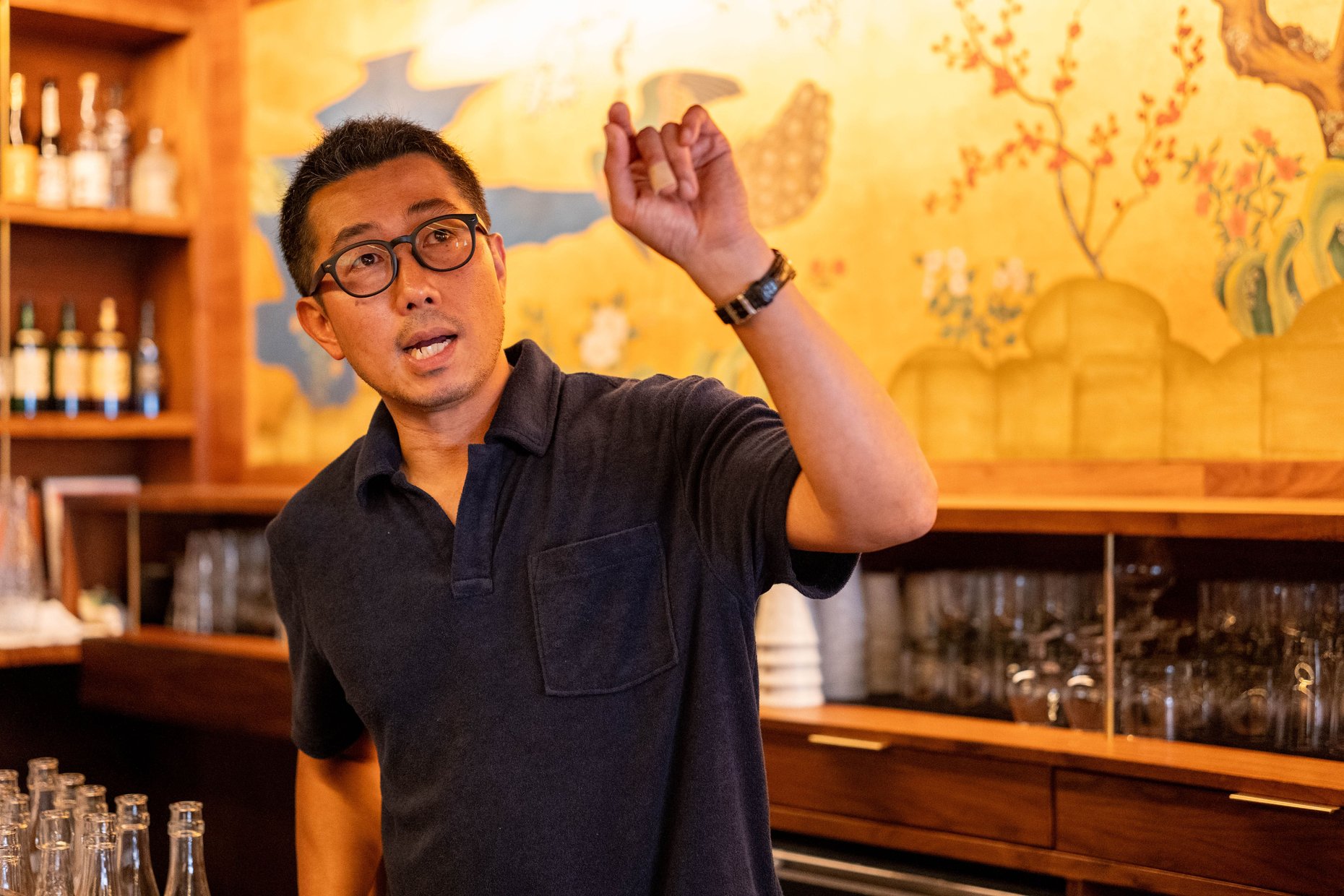
I first tended bar in a restaurant part-time so I could pay my bills. One thing about bartending is that you can quickly see the results of your work. You will see customers’ reactions, and if they like your service and products you can see their happiness.
It can also be very fun because you meet lots of people every day, and some of them start coming in to see you. Witnessing that they gradually became my regulars gave me joy. As someone who moved from Japan, I felt like I was given some kind of acceptance from NYC. That’s what made me want to do more in bartending, and it was right around that time that “craft bartending” started getting noticed, and more bartenders started having a career mindset.
An astonishing, life-changing encounter at the Pegu Club
When I first started meeting bartenders who worked full-time, I realized they were on a totally different level from me. For example, one worked at a bar four days a week and then would take gigs doing parties or other events on two other days, making enough to live in New York City. It was eye-opening for me to learn that bartending could be a career. Those folks also recommended some books on cocktails for me to read.
That’s when things changed. I started immersing myself in my studies. I also found out about books by reputable Japanese figures in the bar scene of Tokyo's Ginza district: Hisashi Kishi, the owner-bartender at Star Bar Ginza and Kazuo Ueda, the owner-bartender at Tender. I devoured their books, watched their YouTube channels, and studied how they think and how they mix cocktails.
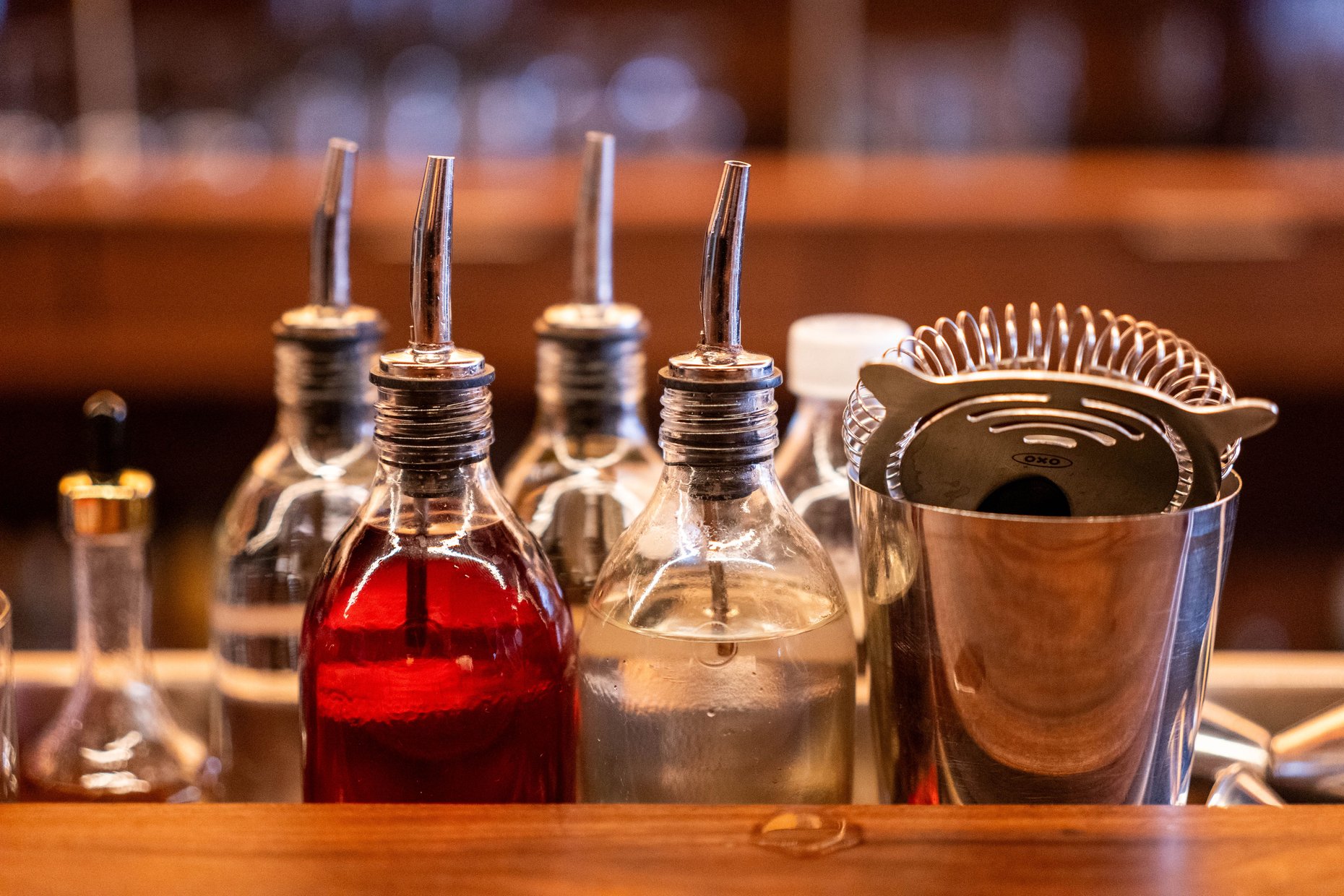
Pegu Club opened in the summer of 2005, and that bar changed my life. When I first went there as a customer in 2006, I was amazed. Everything, from the interior to the way the bartenders handled the shakers, and of course the quality of their cocktails, was excellent. Every cocktail I ordered was delicious. I really wanted to work there.
At the time, Pegu Club was one of the biggest names in the bar business, and it was always a place you’d think of when somebody was talking about cocktails. Pegu also got media coverage and tons of people from the industry went to check it out. It was an influential bar.
Today, many of the cocktail menus you see across the U.S. and in major global cities have a modern classic style. Audrey Sanders, who was the owner of Pegu Club popularized this style that took the time-honored standard cocktail and elevated it to a modern form while preserving it. People weren’t even using the words “modern classic” at the time. She was a trailblazer.
――You had a fateful encounter at Pegu Club.
Back then, I had just started thinking about a career as a bartender, so I figured if I was going to shoot for the top in New York, I had to put myself in a place where I could grow.
While I was wanting to work at Pegu Club, I happened to see an online job ad at the end of 2006 for a bartender position. It didn’t say at which bar, but I had a hunch it might be Pegu Club.
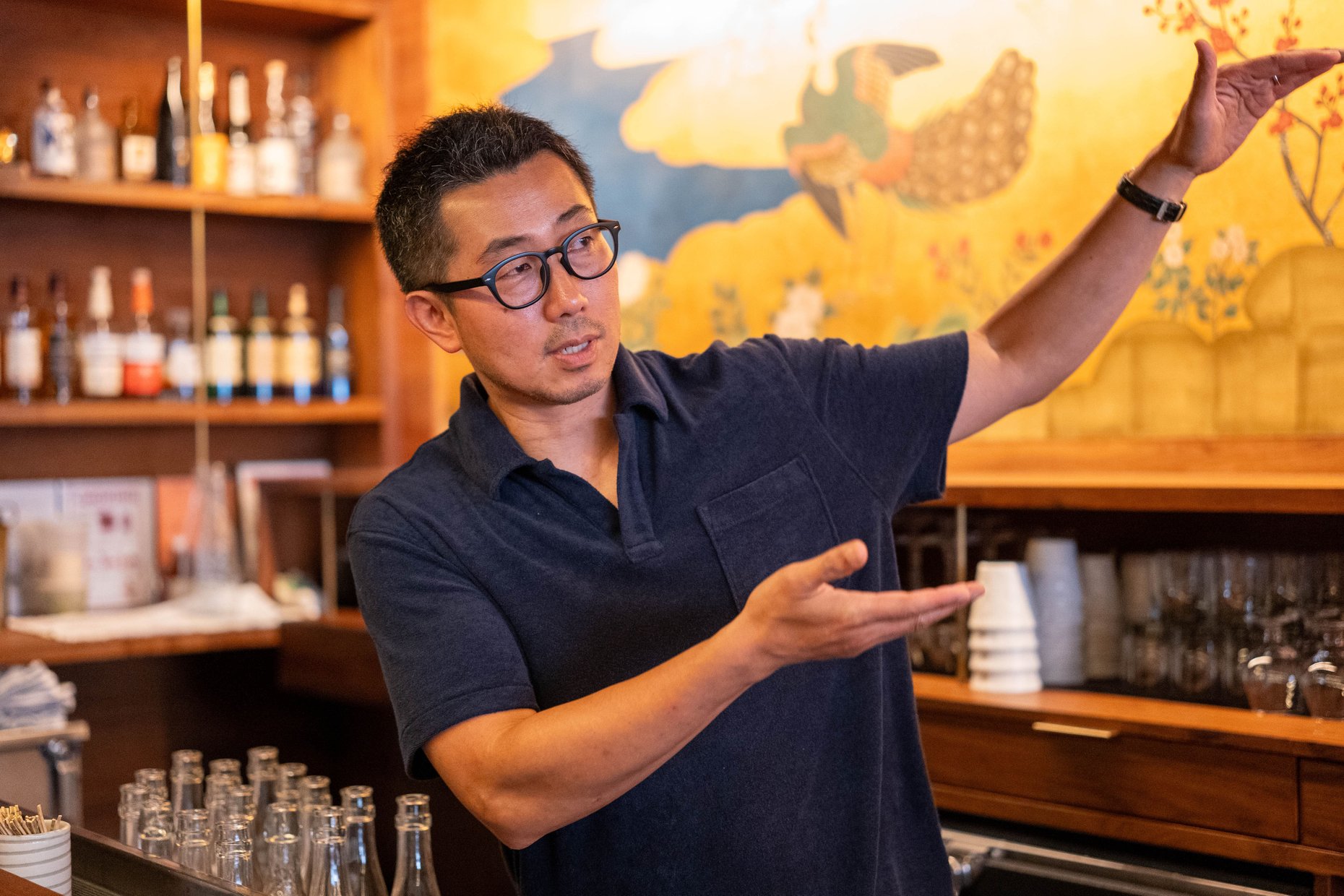
About three days after I sent an application, Audrey Sanders, Pegu Club’s owner, emailed me directly. I was nervous going into that interview. A week later as a second interview of sorts, Audrey surprised me at my work and asked me to make her cocktails on the spot. She asked me to make a gin sour, which no one else had ordered during the time I was there. It wasn’t a common order at the time. I put a gin sour together and served it to her. She didn’t even taste it, but asked me, “Which gin did you use, and why?” I wasn’t ready for that question, and I’m not sure I gave a very good answer. I don’t know exactly what she saw in me, but she said, “I can start you with one shift a week. I’ll show you how I mix cocktails and all the processes, and I’ll explain why I do it that way.” So in January 2007, I started my career at the Pegu Club, where I wanted to be more than anywhere else.
The uniform was a collared shirt with a tie and vest. The first time I put it on, I thought about how Japanese baseball players put on a uniform over their suit when a Major League club announces they’ve signed them. I was really happy even being given only one shift a week to start. It was a foot in the door, and a big opportunity for my future.
After some years, I became Pegu Club's head bartender. I worked there for seven years. I was able to put many drinks on the menu, get media recognition, and build a customer base. In December 2013, I started preparing to open my own bar.
――So you then went out on your own and opened Bar Goto in Manhattan in July 2015.
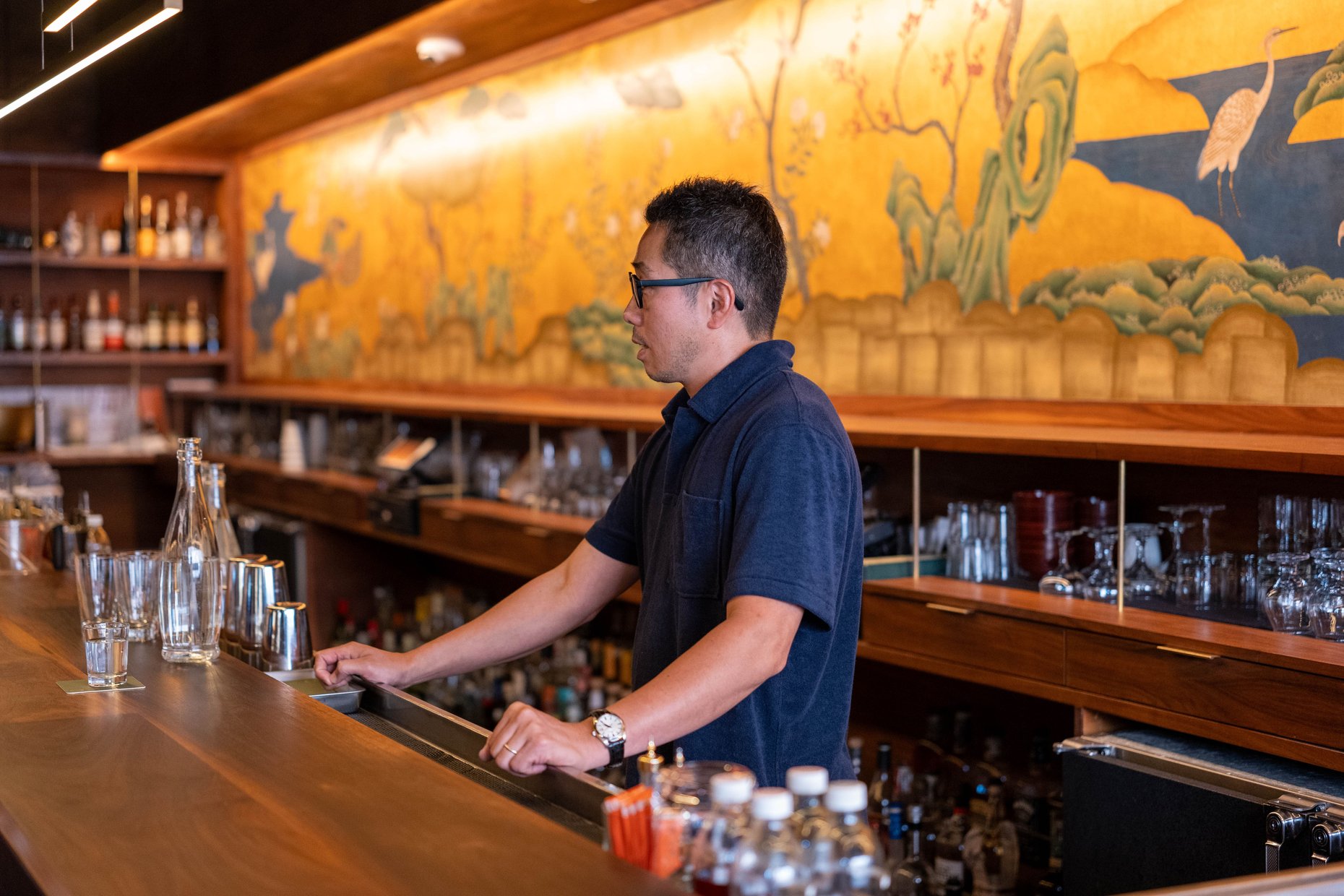
Bar Goto Niban. A golden Japanese painting hangs behind the bar counter, producing a stylish Japanese ambience.
I opened Bar Goto in Manhattan in July 2015 and Bar Goto Niban in Brooklyn in January 2020. They both have the same concept of being a place that blends New York and Tokyo. It brings Japanese tastes to an American bar.
The interior in both locations has a bar counter made of walnut wood, with gold accents throughout the space. At Bar Goto I put up my grandmother's kimono, and at Bar Goto Niban I feature a golden Japanese painting behind the counter. These visual elements, to me, make it feel like Japan.
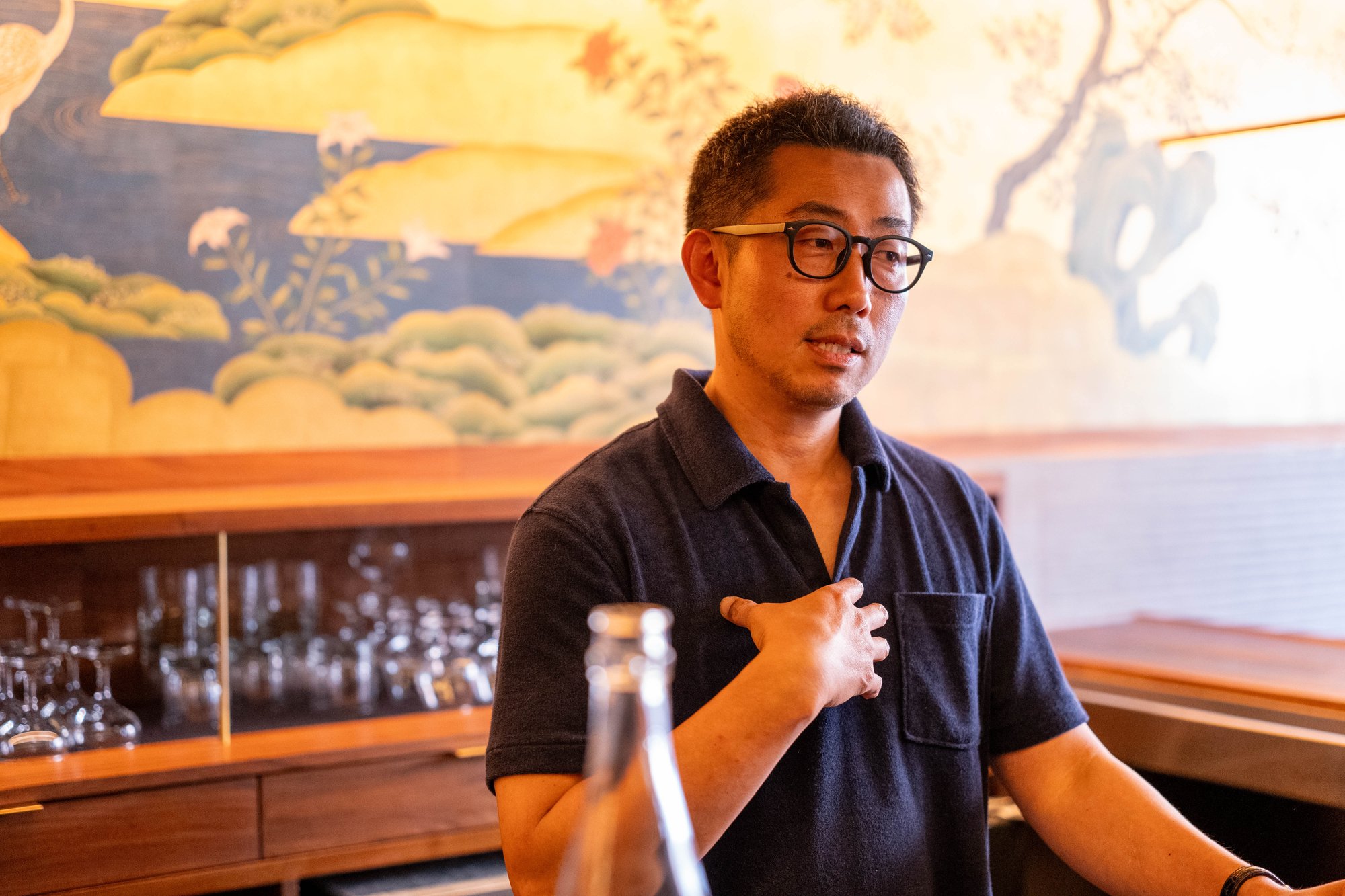
Unlike Japan, Bars Have Immersed Themselves into Everyday Life in New York
Kenta Goto is a leading figure among Japanese bartenders working in the U.S. In this second part of our interview, he talks about the potential for Japanese spirits from his perspective working in New York, a city that defines global cocktail trends.
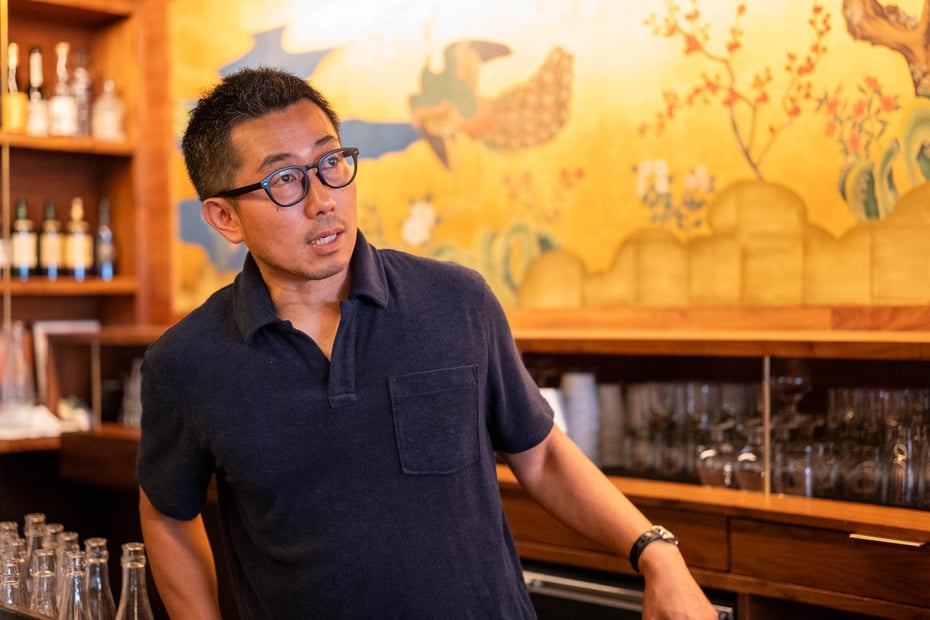
New York, the global cocktail trendsetter
――What are some of the popular cocktails at Bar Goto and Bar Goto Niban?
Basically what we do is introduce Japanese flavors through classic cocktails. We really pay attention to find the balance that is just right when we create a recipe.
The cocktail menus at my bars have three sections. First is long drinks with carbonated mixers. The second is stiff drinks stirred with more alcohol content. The third is light, refreshing drinks prepared in a shaker. We serve a lot of shaken cocktails, but we do have customers that prefer stirred ones.
Lately, we’ve had more health-conscious patrons ordering low-alcohol drinks, so we also serve a lot of long drinks. We didn’t have non-alcoholic cocktails on the menu when we opened, but some people want to enjoy the atmosphere of a bar without drinking alcohol, so now we do.
――What global standing do New York’s bars have?
Cities around the world have excellent bars, but I think the level in New York is definitely high. New York City has many great cocktail bars.
For New Yorkers, a bar can be an oasis where you drop in on the way home from work to talk with friends. Some people relax by chatting with the bartender, while some come to learn about alcoholic drinks. In Japan, the pubs we call izakaya are more entrenched in everyday life, but New Yorkers often say, “I’ll meet you at the bar.” They’re just such a part of everyday life here. In fact, many people go to bars by themselves to socialize.
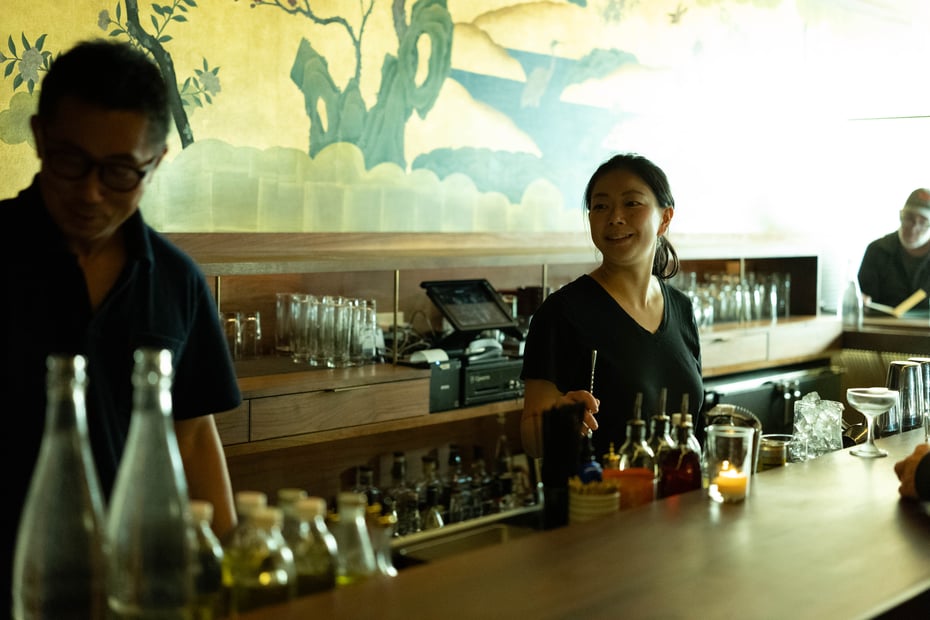
Bar Goto Niban’s head bartender, Koharu Usui (right), holds a stirrer behind the bar. She's a leader Mr. Goto relies on to keep the establishment running smoothly.
The key to spreading shochu’s recognition is properly showcasing its strengths
――How much recognition does shochu have in the U.S.?
I can tell it’s much higher than it used to be, but it still has a long way to go compared to sake. Although we call it a “Japanese spirit,” the shochu consumed in Japan typically is usually 25% ABV. The global standard for spirits is usually 40% or higher, so in America, shochu has a challenge to find its place.
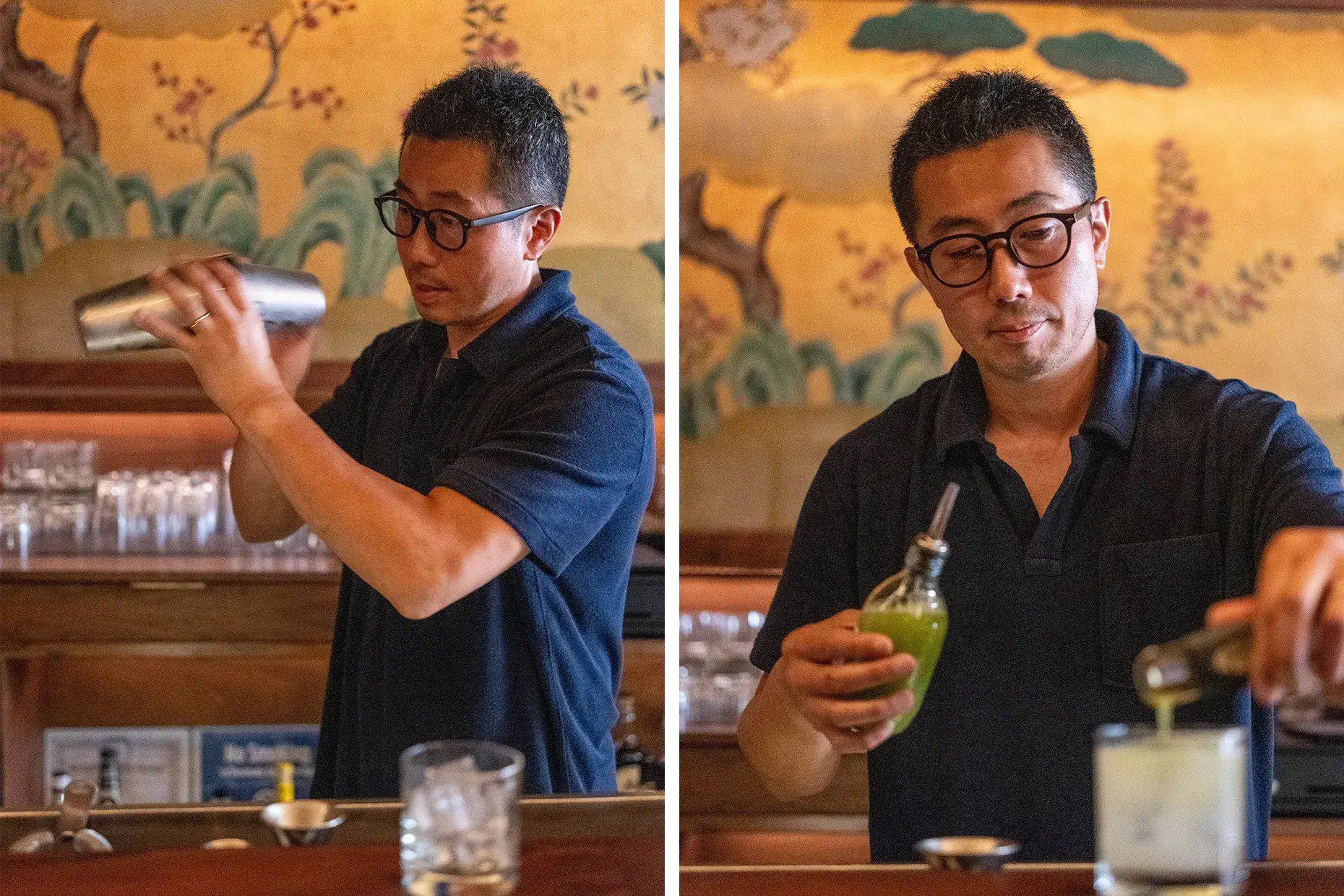
The KOJI-SAN, a standard cocktail mixed with iichiko Saiten. (The iichiko Saiten bottle was photographed in 2023. It received an updated design in 2025)
――What do you think shochu's appeal is? For example, what do you think about the use of koji?
I don’t think many people drink shochu specifically because it's made with koji. Most of them drink it because it's from Japan, and also because it’s delicious. Many patrons who take an interest in shochu out of admiration or fondness toward Japan will seek out brands that suit them after learning about the ingredients it’s made from, like barley, rice, and potatoes.
Using koji produces a distinctive flavor, so customers who start drinking shochu usually come to like that taste. I’ve had more opportunities recently to mix cocktails with shochu. That makes it easier for people who haven’t tried it before and I think it’s creating more interest in shochu.
I also think us bartenders, the ones preparing the cocktails, need to pay attention. Many classic or standard cocktail recipes call for a spirit that’s at least 40% ABV as the main ingredient.
For example, a gimlet where gin is the base uses gin that’s 40% or higher, and you add lime juice and then syrup to balance out the lime juice’s sourness. If you follow the volumes in a classic gin gimlet recipe exactly while simply swapping out gin for lower ABV shochu to make a shochu gimlet, what happens? You can’t tell if it contains any alcohol. It’s a gimlet with an unsatisfactory flavor, more like lemonade.
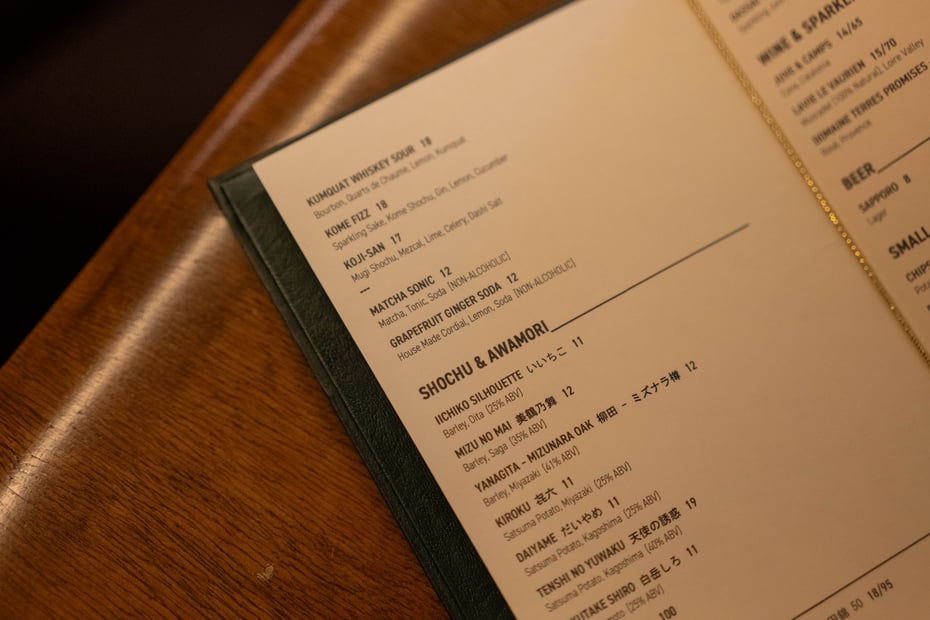
More customers are enjoying shochu and awamori on the rocks or straight up
If you’re going to use 25% ABV shochu as your main ingredient, you have to find the golden ratio to balance it with the sourness in the lime juice and the sweetness in the syrup. Or another approach is to add a small quantity of spirit of around 40% ABV as your secret ingredient to boost the lower ABV shochu. Continuing with the gin gimlet example, when you incorporate shochu into the cocktail, you have to think about when to add it to the mix.
I think a good process is to shake up the gin, lime juice, and syrup, then add the shochu. This will prevent the 25% ABV shochu from diluting in the shaker. This technique will also make the low-alcohol shochu more apparent to the customer.
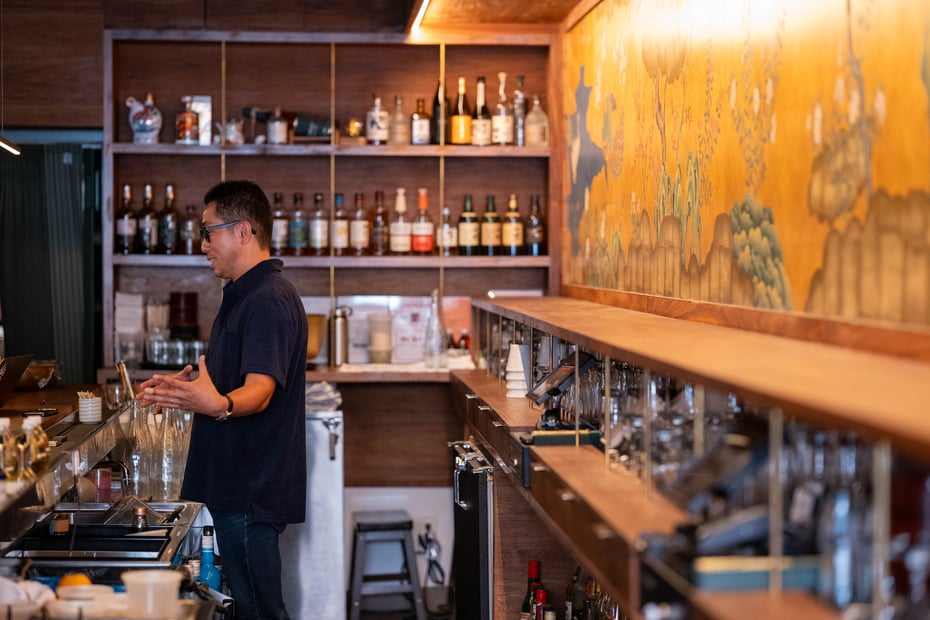
Could high-alcohol shochu open up new markets?
――We now have shochus around 40% ABV like iichiko Saiten that contain more alcohol. What do you think of products like this?
When mixing a cocktail, I think a lot of shochu can pose a challenge because of its low 25% alcohol content. That’s why, like I mentioned, the bartender has to adjust the recipe to find the golden ratio for the cocktail.
I think that if we have more higher ABV shochu like iichiko Saiten, that will help people who are used to spirits with 40% ABV or higher learn about shochu. But is that enough? Japan’s 25% ABV shochu tastes good, too. The low alcohol content is what makes it easy to pair with a meal. That’s part of Japanese culture.
That’s why I want to show Americans what’s great about both 40% ABV shochu like iichiko Saiten, as well as 25% ABV shochu such as iichiko Silhouette.