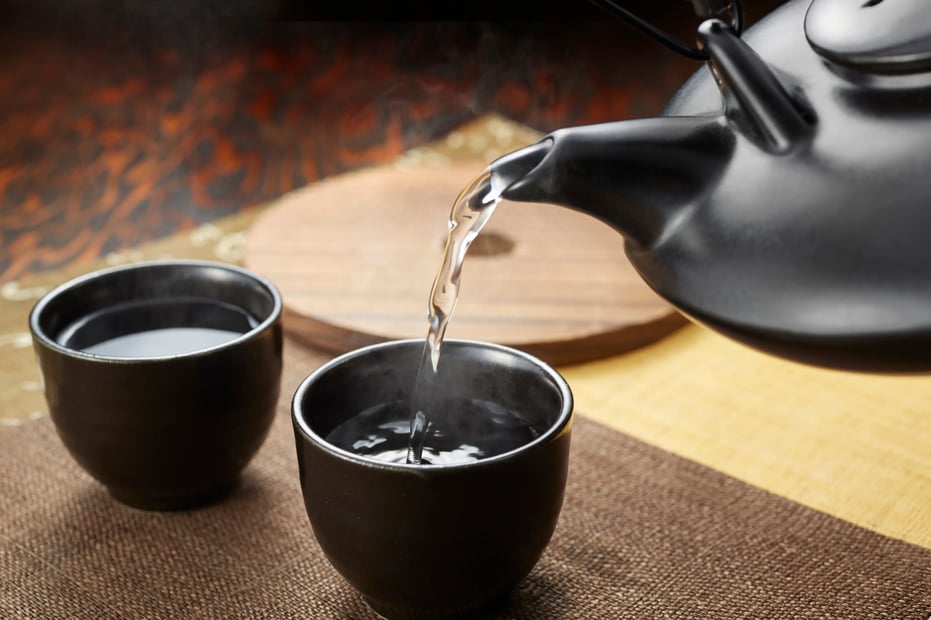
With its distinctive flavors, including those created through fermentation and the action of koji, honkaku shochu possesses an appeal found in no other distilled spirit. Its position in the global marketplace has also changed dramatically in recent years. Born in the United States and captivated by Japanese honkaku shochu, Christopher Pellegrini now shares its story with the world from his base in Japan. In this interview, he explains why he confidently calls honkaku shochu "the world's finest distilled spirit."
As told by: Christopher Pellegrini / Interview & text: Kenji Inoue / Photography: Koichi Mitsui / Composition: Contentsbrain
Becoming the Youngest Brewer in the United States at 17
My interest in brewing began in my teens, when I tried homebrewing beer with friends.That curiosity eventually led me to a part-time job at a local craft brewery. Not long after I started, I found myself entrusted with the brewing process.
I was 17 at the time and probably the youngest craft beer brewer in the United States.
I continued working nights as an assistant toji⋆1, watching over the brewery alone from 10 p.m. until morning. It was exhausting, yet incredibly rewarding. I loved it.
⋆1 Toji: The master brewer responsible for overseeing the entire sake production process. Depending on the brewery, this role may be held by an external specialist, an employee, or the brewery owner.
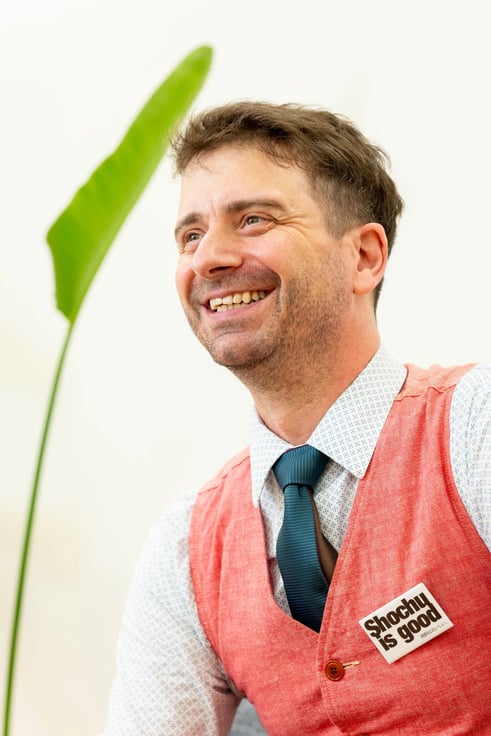
After graduating from university, I worked as a teacher in the United States. But I felt a growing urge to step into a world I didn't yet know, so I decided to move to Asia. After working as an English teacher in South Korea, I moved to Japan in 2002.
A Profound Shock at the Diversity of Honkaku Shochu
While living in Tokyo, there was a small izakaya near our home well known for its impressive sake selection. I quickly became a regular, tasting different sakes almost daily based on the owner’s recommendations and discovering the depth and complexity of sake. Then one day, at his suggestion, I tasted honkaku shochu for the first time.
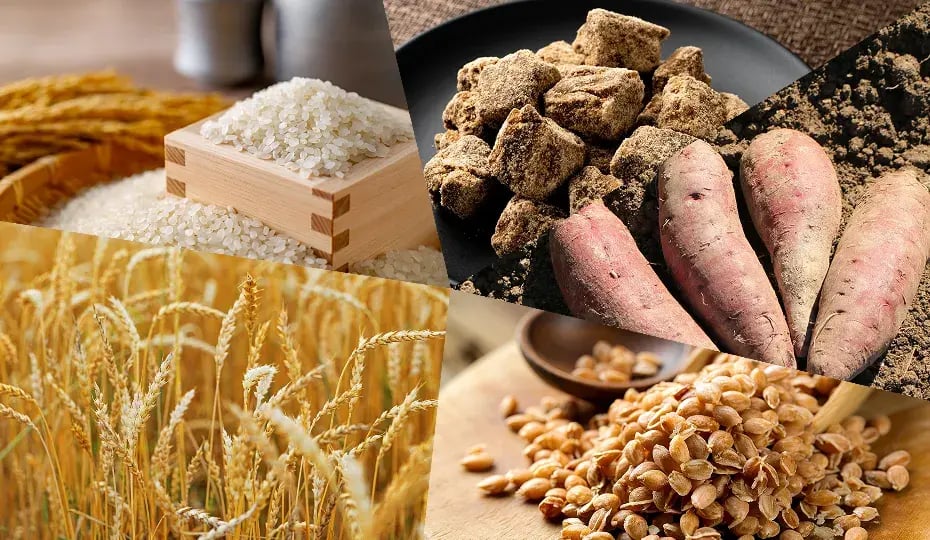
At first glance, it looked like sake, clear and colorless, but when I brought the glass closer, the aroma was completely different. It was astonishingly good. Love at first sip. That memorable first glass was barley shochu. The owner then let me taste one honkaku shochu after another, sweet potato, rice, buckwheat, then kokuto sugar.
Though all were clear, each distinctly expressed the flavor of its base ingredient. Beer and malt whisky come from barley malt, sake from rice, wine from grapes—but honkaku shochu can be made from almost any grain or ingredient. Nothing matches its versatility. I remember thinking, "This really is the world's finest distilled spirit."
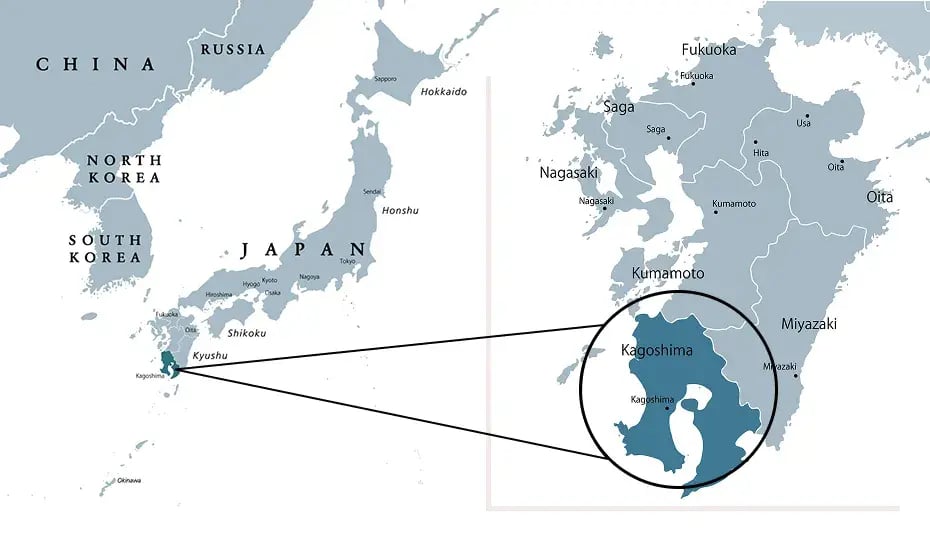
Through halting conversations with the owner, I learned that many honkaku shochu distilleries were located in a place called Kagoshima. I felt an overwhelming desire to see shochu being made there, to understand this unknown spirit more deeply. The brewer's instinct kicked in (laughs).
When I first stepped into a shochu distillery, what surprised me most was the presence of koji—after all, neither beer nor whisky uses koji in their production.
How could a mold like koji create such an incredible distilled spirit? I found it deeply fascinating. That question drove me to further explore the mysteries of shochu, visiting distilleries throughout Kyushu beyond Kagoshima and deepening my knowledge with each encounter.
Introducing Shochu in English
Publishing The Shochu Handbook
Seeing the dedication of toji firsthand became my motivation. In 2006, I began hosting honkaku shochu tastings and lectures across Japan, primarily in Tokyo. I wanted people, especially foreigners like myself, to understand how sincerely shochu makers work to preserve the history and traditions cherished by their communities.
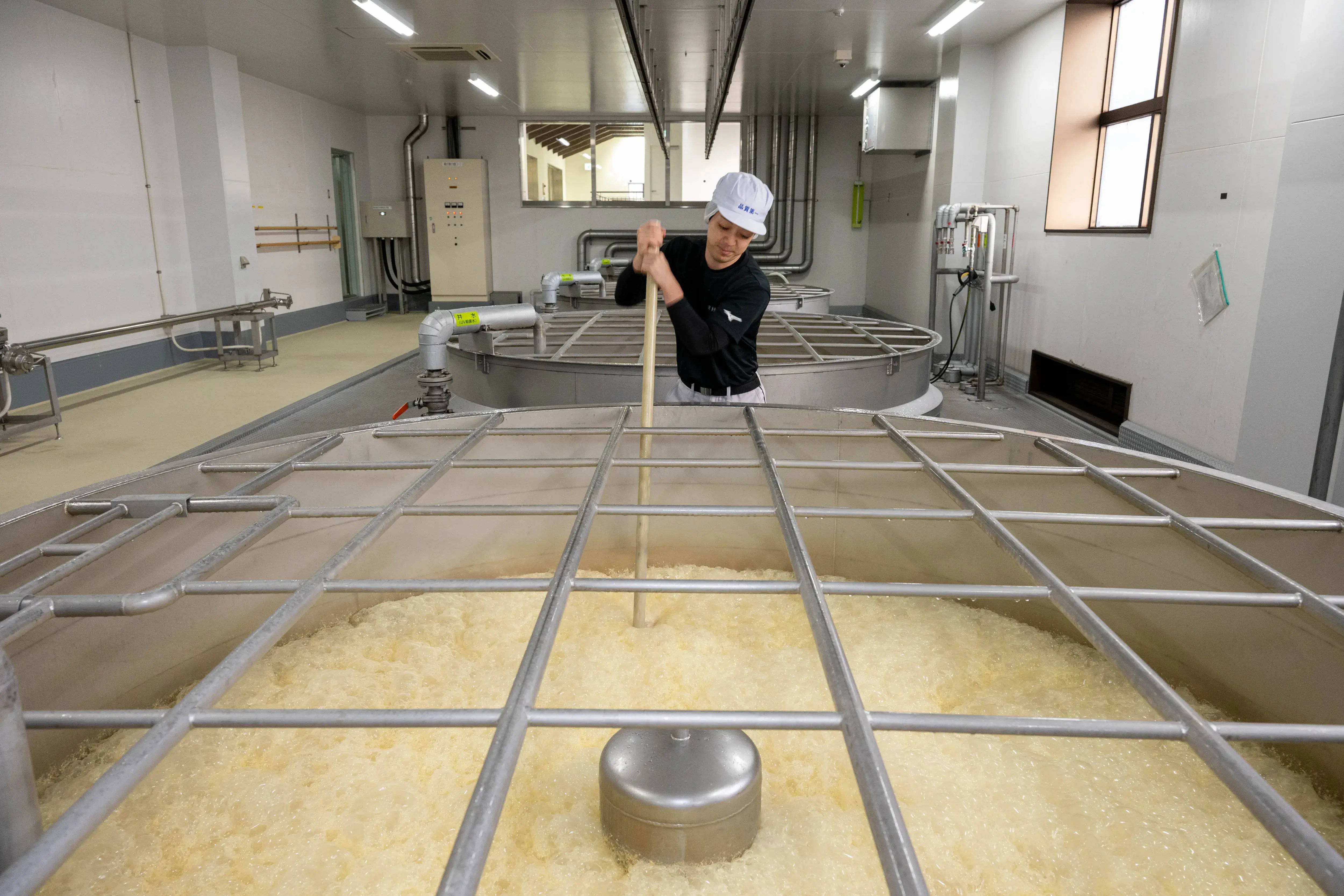
Primary fermentation, the first stage of shochu production
At the time, almost no foreigners understood shochu. Sake was already gaining global recognition, and Japanese whisky was beginning to attract attention, but shochu remained virtually unknown outside Japan. I wanted to change that, even if only a little.
Although the lectures were intended for foreigners and conducted in both English and Japanese, about 80% of the attendees turned out to be Japanese. Perhaps even many Japanese didn't fully understand shochu.
Through these activities, I realized there was no proper introductory book on shochu available in English, and online information was extremely limited. That's when I decided an English-language guide was necessary.
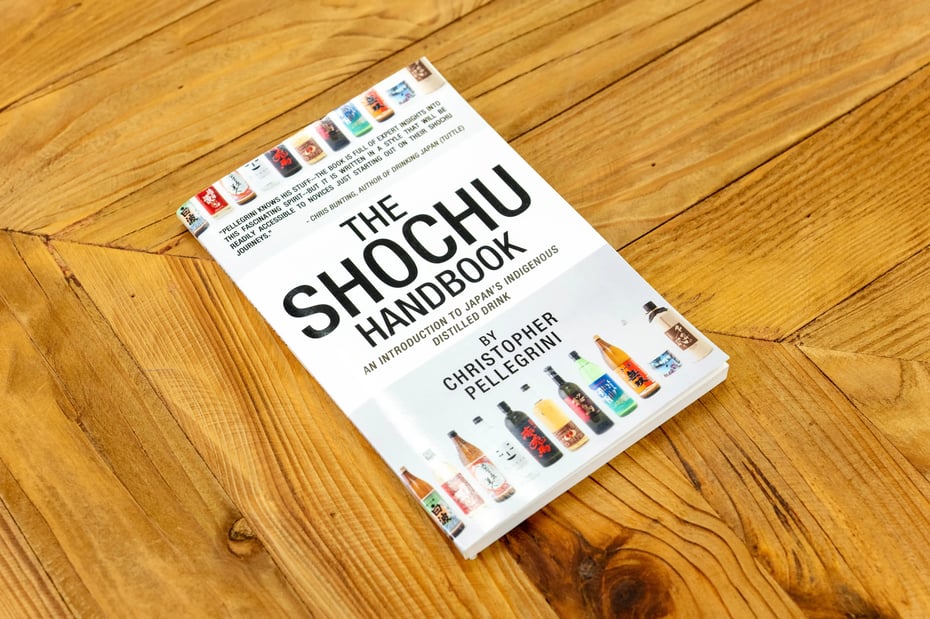
An Introduction to Japan’s Indigenous Distilled Drink
I could have translated an existing Japanese book, but I chose not to. I had personally visited distilleries and learned directly from toji. I wanted to use that firsthand knowledge to create an original guide, one that would allow someone with zero prior knowledge, just like I once had, to understand shochu comprehensively—its history, regions, production methods, styles, and food pairings.
Drawn to Shochu's Potential as a Food-friendly Spirit
Compared to other distilled spirits, shochu's character is exceptionally clear. Take whisky, for example, whether bourbon or Scotch, emphasis is placed less on fermentation and more on barrel aging. To put it bluntly, even if fermentation is somewhat rough around the edges, distilling the spirit two or more times and then carefully aging it in barrels over a long period will still allow it to develop rich, complex flavors. Gin is also distilled repeatedly and flavored afterward with botanicals⋆2.
But because honkaku shochu is produced through a single distillation⋆3, there is no room for shortcuts. With no additives beyond the main ingredient, water, koji, and yeast, fermentation is everything. That is where the distiller's skill shines, and why the flavors and aromas created by koji come through so vividly.
⋆2 Botanicals: Plant ingredients used to flavor a base spirit.
⋆3 Single distillation: A traditional shochu production method in which alcohol is extracted through a single distillation using a pot still. This preserves the character of the raw ingredients and results in distinctive flavors. Shochu distilled in this way, using specific ingredients (grains such as barley and rice, potatoes, sake lees, or kokuto sugar) together with koji, and containing no additives other than water, is classified as honkaku shochu.
I later founded a company to export honkaku shochu from Japan to the United States, focusing especially on the American market. The response there probably exceeds what most Japanese would imagine. Large liquor stores in major cities now routinely carry several types of shochu. At a high-end hotel bar in Manhattan, New York, the drink menu lists sparkling wine on the first page, and shochu by the glass on the second, served in wine glasses.
Many people in the food and beverage industry are increasingly interested in Japanese alcohol, and I receive inquiry emails from them almost every day. Ten years ago, when I approached people directly and asked if they had heard of shochu, I was often turned away with a blunt "No thanks!" Today, people are the ones coming to me, eager to hear more about shochu.
There were concerns that shochu's reliance on koji mold, in other words, microorganisms, might be viewed negatively overseas. However, that worry has proven unfounded. As Japanese cuisine has globalized and more restaurants use koji, awareness of koji has risen alongside umami, and resistance to it has largely disappeared. People now understand that mold isn't something to fear—after all, cheese is made with mold. These days, you even hear phrases like "Mold is gold" and "Mold is magic."
Personally, I don't see other distilled spirits as shochu's competitors. I see beer and wine as the real comparison. Because I believe shochu has far greater potential as a food-pairing spirit than as a high-alcohol after-dinner drink.
For example, maewari—mixing shochu with water in advance—or chuhai made with fresh juice or soda pair beautifully not only with Japanese food, but also with Italian and Spanish cuisine, as well as spicy ethnic dishes. For chuhai, a sonic (tonic water and soda) works especially well, keeping sweetness in check.
The RTD⋆4 market in the U.S. is thriving, and I believe naturally flavored chuhai made with honkaku shochu could succeed there too. Price will be key—if a four-can pack sells for $10–12, it would likely do very well.
⋆4 RTD (Ready to Drink): Alcoholic beverages such as canned chuhai or cocktails that are ready to drink upon opening.
Shochu also shows great promise as a cocktail base. Classic drinks like the Old Fashioned, Manhattan, or Negroni—typically made with whisky or gin—can be reimagined with shochu. Through the rich nuances of koji, it becomes possible to express flavors entirely different from anything before.
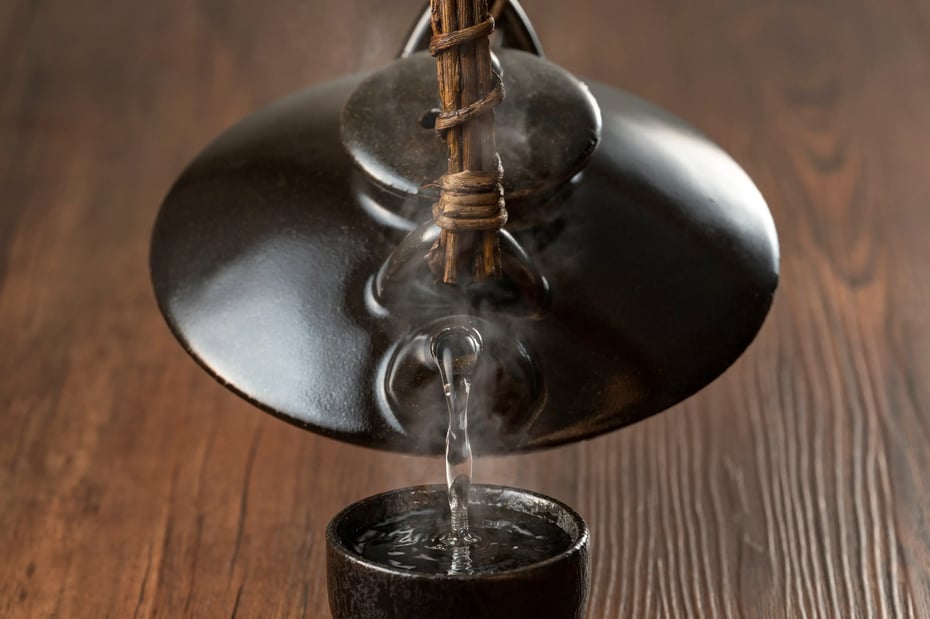
To go a step further, I think one of shochu's greatest strengths lies in the freedom to enjoy it in any way you like. It works well neat, on the rocks, diluted with water, or as a highball—entirely up to personal preference. There are very few distilled spirits that are enjoyed warm, but shochu is delicious prepared with hot water. I personally drink it that way year-round, including in summer. I pour freshly boiled water into an Arita ware cup, let it cool for five to six minutes, then gently add the shochu. Depending on the label, a roughly equal ratio is usually ideal.
There are truly countless ways to enjoy shochu, and I want to share that appeal more widely with the world. Distilled spirits such as whisky, gin, vodka, rum, mezcal, and tequila are readily available at liquor stores around the globe and are enjoyed casually in bars and restaurants alike. Until the day shochu joins their ranks, I will continue working every day to expand its reach. In the northeastern United States, near the Canadian border, lies Vermont—home to my nature-rich hometown, a small community of just 2,000 people. If the day comes when honkaku shochu lines the shelves of a small local liquor store there, nothing would make me happier.

Christopher Pellegrini
Born in Vermont, USA. After completing graduate studies in the United Kingdom, he moved to South Korea and later came to Japan in 2002. He encountered shochu by chance at an izakaya near his home and has been captivated by it ever since. Focusing primarily on Kyushu, he visited distilleries throughout the region to deepen his knowledge of shochu and earned certification as a Shochu Kikisake-shi (a professional certification for shochu specialists). In 2014, he published The Shochu Handbook (Telemachus Press), an English-language guide to shochu for overseas readers. In 2020, he founded Honkaku Spirits, a company that exports Japanese spirits—primarily honkaku shochu and awamori—to the United States. As an advocate for shochu and awamori, he hosts seminars and tastings in multiple languages for a broad audience and is also active as a Cool Japan Ambassador for shochu and awamori.
