
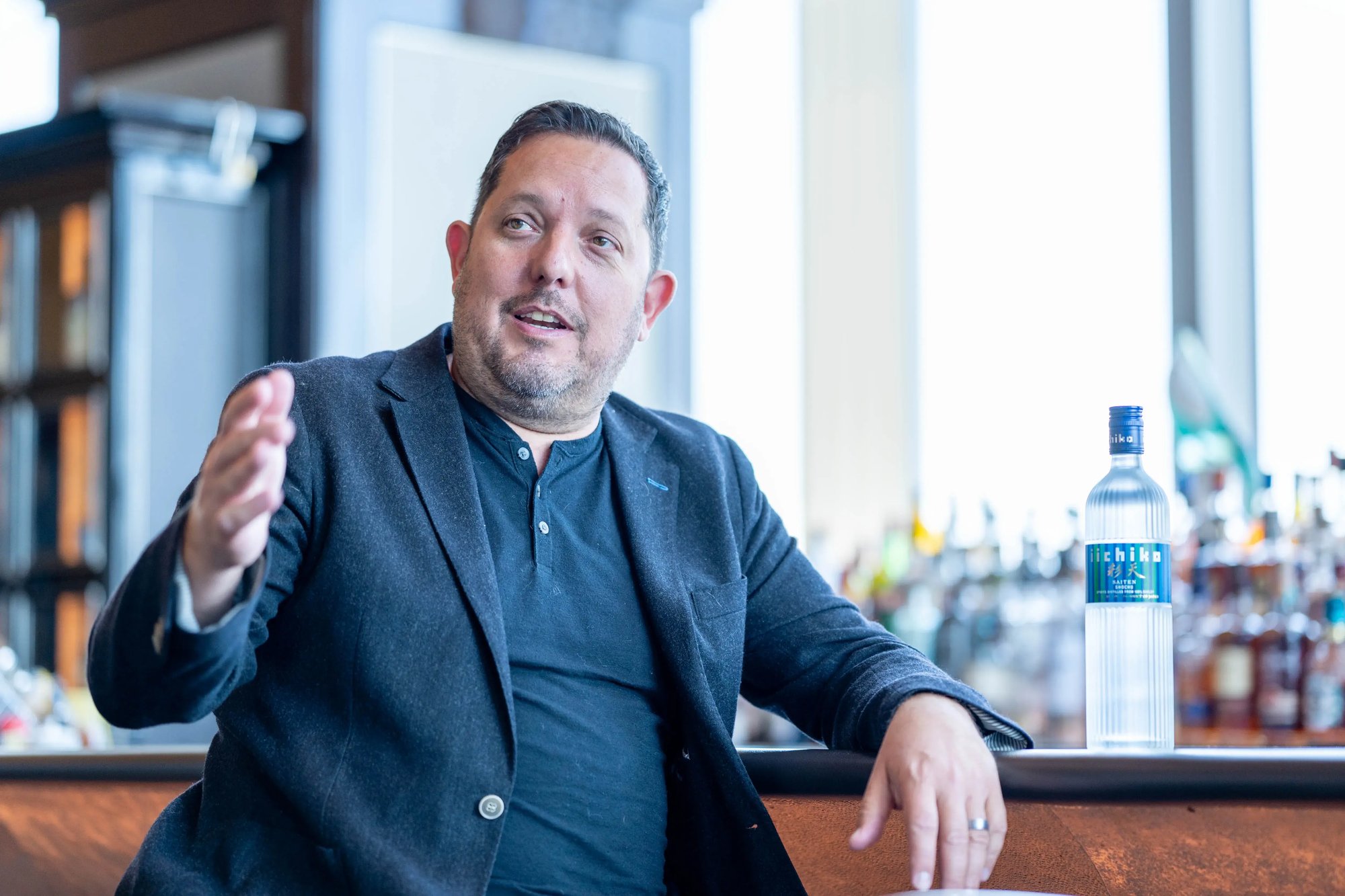
I Find Real Fulfillment in Crafting a Single Cocktail Using All of My Senses
Having honed his bartending skills in London before moving to the United States, Jacques Bezuidenhout has led several bars in San Francisco that went on to receive recognition at the Tales of the Cocktail® Spirited Awards®. He has also served as a brand ambassador for gin and tequila, earning widespread acclaim for his expertise. Bezuidenhout was involved with iichiko Saiten, the 43% ABV honkaku barley shochu that Sanwa Shurui launched in the U.S. in 2019 ahead of the rest of the world, from the earliest prototype stages—making him, in a sense, one of its creators. We spoke with him about the appeal of working as a bartender and his experiences in the development of iichiko Saiten.
Text: Akira Suzuki / Photography: Koichi Mitsui / Composition: Contentsbrain / English translation: LIBER
Interview location: THE BAR at The Ritz-Carlton, Tokyo (Tokyo Midtown, 45F, 9-7-1 Akasaka, Minato-ku, Tokyo)
From South Africa to the U.K., Gaining Experience Across a Wide Range of Restaurants and Bars
You're originally from South Africa, Jacques. You later moved to the U.K. and then the U.S., but in which country did you first work behind a bar?
When I was a high school student in Johannesburg, South Africa, I worked part-time as a waiter at an Italian restaurant. I also served simple drinks there. That was my first job in the hospitality industry.
In 1995, I moved to London and began working in restaurants. I wanted to understand what went on behind the scenes in foodservice, so I spent about six months working in the kitchen. I found the work both fun and educational. After that, I worked at various pubs and bars before eventually joining a high-end cocktail bar and restaurant.
Was that bar also in London?
Yes. It was a place called The Avenue in central London. That's where I was first given the chance to work as a bartender. Up until then, I had only poured beer at pubs, so it was my first time being exposed to proper cocktails—and my first time realizing how much skill it really takes to make them. I learned a tremendous amount there.
It was a beautifully designed bar, with rows of bottles lined up behind the counter, each with its own sense of place, history, and story. For example, a gin might come from a particular neighborhood in London, made by certain people, during a particular era. I found that incredibly fascinating.
I owe a lot to the two senior bartenders at The Avenue. Whenever I had a question, they always took the time to explain things carefully, and if there was anything I felt unsure about technically, they would immediately train me. I learned so much from them, and I'm truly grateful.
Did you decide to pursue bartending as a career because of your experience at The Avenue?
When I worked at the Italian restaurant, I really enjoyed the atmosphere—holding parties, listening to music while I worked. But it was my experience at The Avenue that made me want to continue this path as a career.
What do you find most fulfilling about working as a bartender?
As a bartender, you're constantly doing many things at once. You're drawing on your knowledge, using your cocktail-making skills, talking with guests, and thinking ahead to what you need to do next. You're touching things, tasting, checking the music, paying attention to the lighting—your five senses are all stimulated behind the bar. Feeling that energy in the space is incredible.
Creating a single cocktail using all of my senses, doing something I genuinely enjoy, and wanting to share that enjoyment and happiness with my guests—working in an environment like that is what gives me fulfillment and makes me feel truly happy in this job.
Joining the iichiko Saiten Development Project
In 1998, you moved from London to San Francisco, where you became known as a bar manager and went on to lead several highly regarded bars. You opened Forgery Bar in 2015 and Wildhawk the following year—both of which earned high praise. After that, you stepped back from running bars and shifted your focus toward training the next generation, correct?
Yes. Not long after I ultimately parted ways with the two bars I helped establish, I lost work due to COVID. During that time, I connected with a bar consulting company called Liquid Productions, and I've been working with them ever since. I help with bar openings, provide consulting, and host cocktail events. I also work as a freelance bartender from time to time.
I understand you were involved in the development of iichiko Saiten from its earliest stages.
I first heard about the project about a year after we opened Forgery Bar, where I was working as the bar manager. Tetsuro Miyazaki, who had been assigned to iichiko USA, the U.S. subsidiary of Sanwa Shurui, came by the bar, but unfortunately we missed each other. When I returned, one of the bartenders handed me the business card he had left.
I reached out using the contact details on the card, and when Miyazaki and I met, we immediately hit it off. We decided to work together to help raise awareness of shochu. At that time, shochu was not well known in the U.S. at all, and it was rarely used in cocktails. The main reason was that the typical ABV of honkaku shochu—around 25%—was simply too low. So the first thing I did was start tasting Sanwa Shurui's honkaku barley shochu lineup.
They sent me a selection of iichiko products, and I tasted every one of them. Before that, Miyazaki had explained what kind of spirit shochu is, which had already sparked my curiosity. But even if I hadn't known anything about shochu beforehand, just one sip was enough to tell me how high the quality was. The flavors and nuances were all distinctive and delicious, and I remember thinking, This is a really fascinating spirit.
So what needed to happen next? I felt we had to raise the alcohol content so that the character of the shochu would remain present in cocktails. When you make a cocktail, you mix in ice, juice, and other ingredients, which means that shochu with a low ABV becomes too diluted and its flavor gets lost.
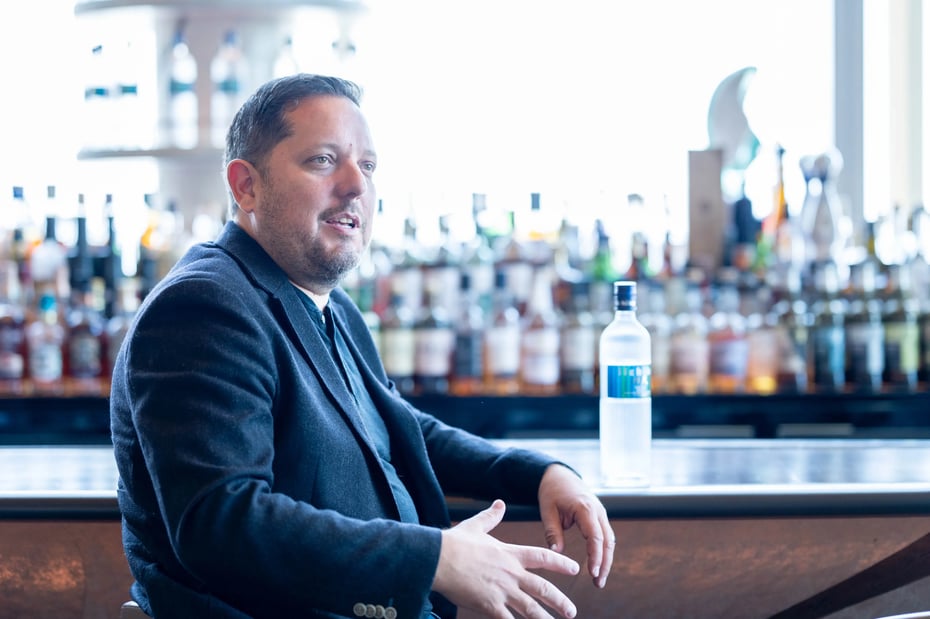
And that's where the development project that eventually led to iichiko Saiten began?
Yes. We immediately had samples with the ABV raised to 40% produced in Japan and sent over. There were versions distilled under atmospheric pressure, versions distilled under reduced pressure, and blends with different ratios of the two—many variations to test. Every sample was fascinating. Using those samples, I made actual cocktails and tried each one to see how the flavors held up.
I made three types—a stirred cocktail, a shaken cocktail, and a sour—to check whether the shochu's character came through clearly. Among the samples, there were two where the umami from the koji was especially pronounced, and I found them the most interesting. Some of the other samples had more citrus-forward notes, but I felt the ones with stronger koji-derived umami were the right direction. That led to a discussion about increasing the alcohol content a bit more—from 40% ABV up to 43%—so the next set of samples was adjusted accordingly.
As we continued tasting, we eventually discovered the prototype that would become iichiko Saiten. What makes iichiko Saiten so appealing is the way its umami carries through. It has a completely different flavor profile from the high-proof spirits typically used in bars, with a unique depth that only shochu can offer. When you make cocktails with it, you don't need to force it to fit with other spirits—it stands on its own. That, to me, is one of the great strengths of shochu.
Inviting Skilled Bartenders He Knew to Join the Tasting
I understand that for the development process, you also reached out to some bartenders you knew.
Even though I personally liked the samples, I wasn't entirely sure whether their appeal would come across to others. So Miyazaki and I talked and decided it would be good to get opinions from different people as well.
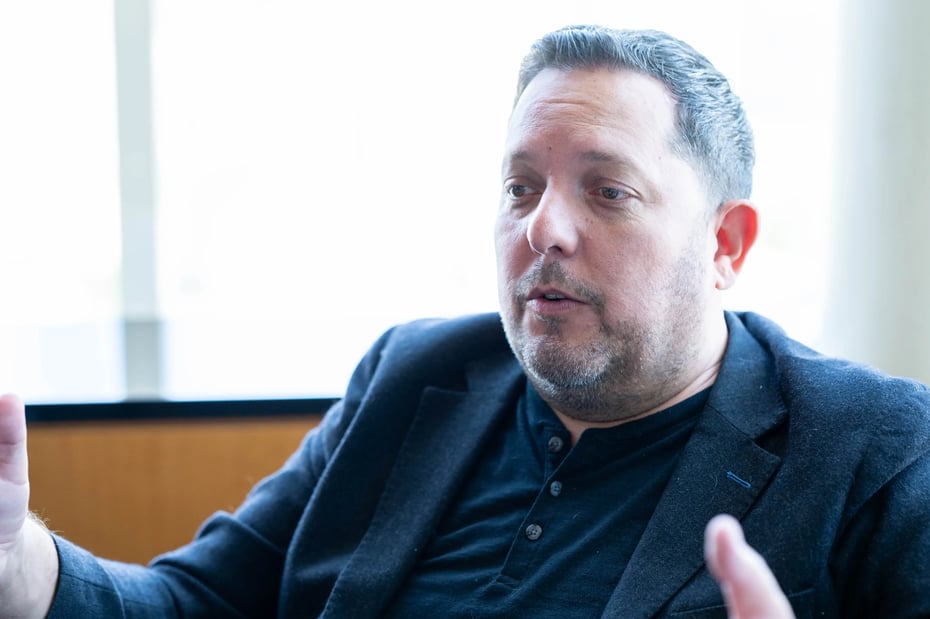
I reached out to Kevin Diedrich, John Gertsen, and Marco Dionysos. All three were bartenders in San Francisco, and we were close with one another. They were making incredibly high-quality cocktails, and I trusted that they would be able not only to evaluate the flavor of the shochu, but also to judge its future potential and the direction it could take.
Did the samples you chose initially match the ones selected by the three bartenders?
First, we took the two samples I had selected at the 40% ABV stage, raised them to 43% ABV, and had them tasted alongside some other prototypes. The three of them did a blind tasting, taking notes as they went, and their conclusion was the same as mine—the ones I had chosen were the best. What really set them apart was the way the umami carried through. Their feedback matched my own impressions, which was reassuring.
So it was unanimous.
Yes. It's always better to hear from multiple people rather than rely on just one opinion, and I think it's really important to confirm that the direction we were taking was the right one. In this case, our opinions matched, so we were able to reach a conclusion right there. But if they had differed, I'm sure we would have explored many other possibilities.
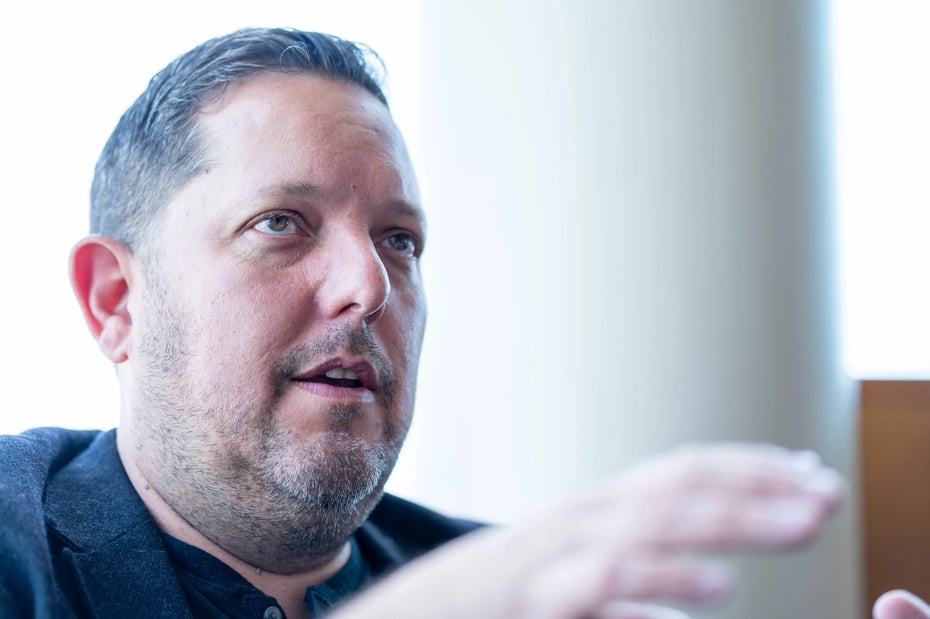
iichiko Saiten, the sample that was ultimately selected, launched in the U.S. in 2019. Just before the launch, when you held the finished bottle for the first time and tasted it, what was your impression?
It was a really special, memorable moment. I felt genuinely happy—like we had finally reached this point after a long journey. After that, for final confirmation, I reached out to Kenta (Kenta Goto) and Masa (Masahiro Ushido) in New York. I consider both of them to be truly top-tier bartenders in the city, and since they're also Japanese, I absolutely wanted them to try it. In the end, both of them tasted it and said it was great, giving their full approval.
The Importance of Sharing the Story Behind a Spirit
So you were essentially one of the creators of iichiko Saiten. I've also heard that you played a significant role in promoting tequila in the U.S. market. What did you focus on during that time?
What I valued most was sharing information about the regions where tequila is made. Since it's a Mexican spirit, I believed it was essential to communicate everything about the area—its sense of family, its culture, its history, even its music.
For shochu, of course, the most important thing is to share the story of Japan. Japanese cuisine is a major part of that, but so are the country's culture and its beauty—the natural scenery, the landscapes. All of these elements are reflected in a single bottle. It's not enough to talk only about technical aspects, like the distillation method or the fact that it's made with koji. By sharing the history and cultural story of Japan as a whole, you can convey the true appeal of shochu to customers—and that's what ultimately helps it spread.
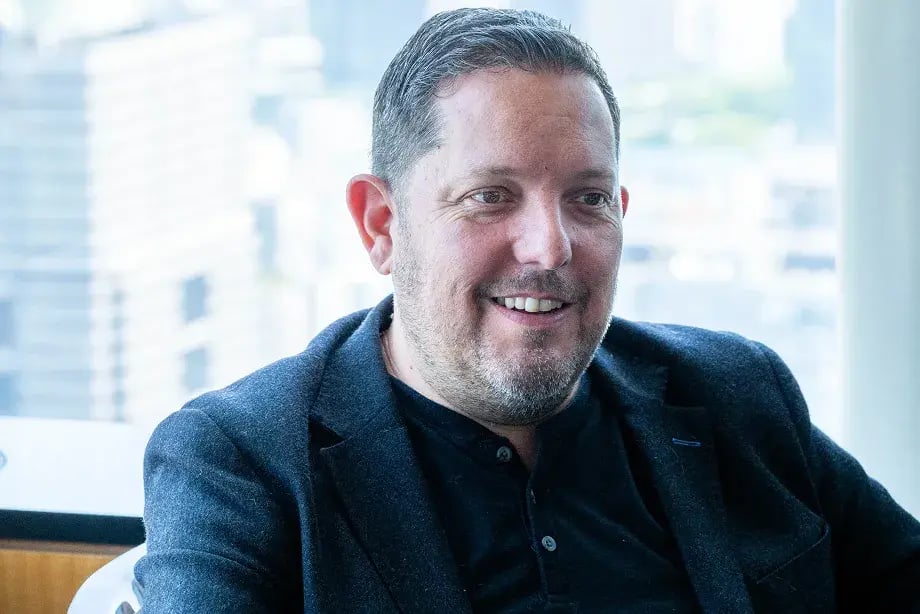
Jacques Bezuidenhout
Born in Johannesburg, South Africa. After gaining experience as a bartender in London, he moved to San Francisco in 1998. As bar manager of Tres Agaves, he led the bar to win Spirits Restaurant of the Year from Santé Magazine in 2006. He later worked as a cocktail and spirits specialist, overseeing more than 70 bars and restaurants across the United States. He also served as a brand ambassador for Plymouth Gin and Partida Tequila, earning the Best American Brand Ambassador award at the Tales of the Cocktail® Spirited Awards® in 2011.
In partnership with the PlumpJack Group, he opened Forgery Bar in 2015 and Wildhawk in 2016 in San Francisco. Both bars were selected as Top 10 Best New Bars in the U.S. by the Tales of the Cocktail® Spirited Awards®. Beginning around 2016, he also contributed to the product development of iichiko Saiten. He is currently part of the consulting firm Liquid Productions, where he works as an Industry Specialist focusing on cocktail events, education, and brand development. His work includes bartender training and brand consulting.
